


White Noise vs Brown Noise for Sleep: What the Research Actually Says

White noise has been the default sleep sound recommendation for years. Brown noise started getting attention around 2022 when TikTok pushed it into the mainstream, and since then there’s been a lot of noise (sorry) about which one is better. The honest answer is: it depends on your brain, and both are legitimate.
Here’s what the research actually says, and which type tends to work better for different sleepers.
Disclosure: Some links in this article are affiliate links. We may earn a commission at no extra cost to you.
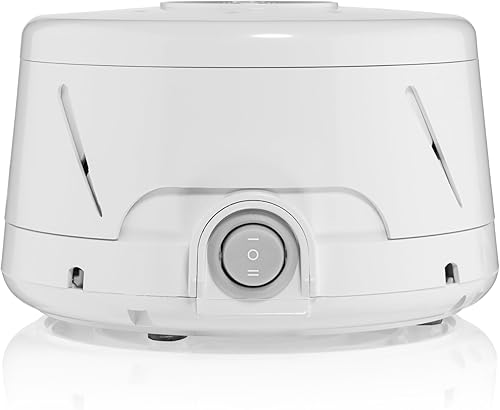
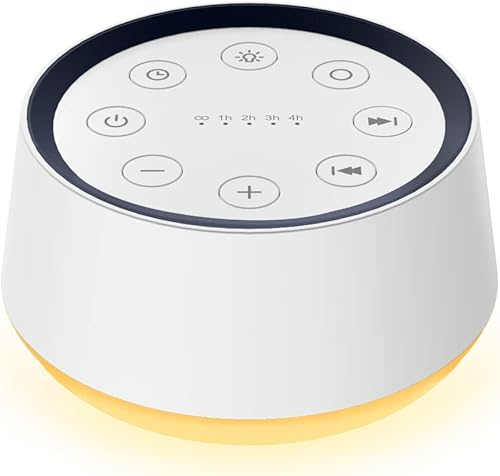
White Noise
Brown Noise
| Factor | White Noise | Brown Noise |
|---|---|---|
| Sound character | Flat hiss, all frequencies equal | Low rumble, waterfall-like |
| Masking ability | Better (broader frequency coverage) | Good at low-mid frequencies |
| Ease of listening long-term | Can feel harsh over time | Most find it more pleasant |
| ADHD/focus use | Mixed results | More reported success |
| Research backing | More studies | Emerging |
| Infant sleep | More commonly used | Less studied |
| Tinnitus masking | More effective | Less effective |
What White Noise Actually Does
White noise contains equal energy across all audible frequencies. Think of it like mixing every color of light together to get white — white noise is the sound equivalent. That flat spectrum is what makes it good at masking other sounds, because it covers the frequency range where most disruptive noises (voices, traffic, creaks) live.
A 2021 review in Sleep Medicine Reviews looked at 38 studies on noise and sleep and found white noise consistently helped people fall asleep faster, with the most benefit in environments with variable noise (e.g., a hospital or apartment building). The masking effect is real.
The downside is that some people find the high-frequency content irritating over a full night, especially at higher volumes. It can feel harsh. That’s where brown noise comes in.
What Brown Noise Actually Does
Brown noise (sometimes called Brownian noise or red noise) has much more energy at low frequencies and progressively less at higher ones. The result sounds like a deep rumble — a waterfall, a river, a strong wind. Its less technically “white” but a lot of people find it easier to listen to for hours.
There’s less formal sleep research specifically on brown noise compared to white noise, but the studies that exist show similar benefits for sleep onset. The bigger conversation around brown noise is focus and ADHD — anecdotally and in some small studies, people with ADHD report that the low-frequency content helps them concentrate better than white noise does. The research is early but promising.
From a pure sleep standpoint, brown noise won’t mask high-pitched sounds (a smoke alarm, a door creak) as effectively as white noise. If your sleep environment has sharp, high-frequency disruptions, white noise is probably more useful.
Which One Should You Try First?
Try white noise if: you’re a light sleeper, you live somewhere noisy (city apartment, next to a road), or you’re using it for an infant. The masking ability is the priority here.
Try brown noise if: you find white noise harsh or uncomfortable, you use sound more for relaxation than masking, or you’ve heard it helps with focus and want to try it for winding down before bed. Most people find it easier to fall asleep to.
Honestly, the easiest approach is to try both. Any decent white noise machine plays both, and apps like Calm, Sleep Sounds, and the built-in iPhone/Android clock apps give you access to both free.
Machines Worth Buying
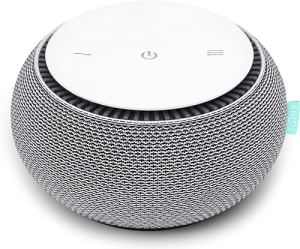
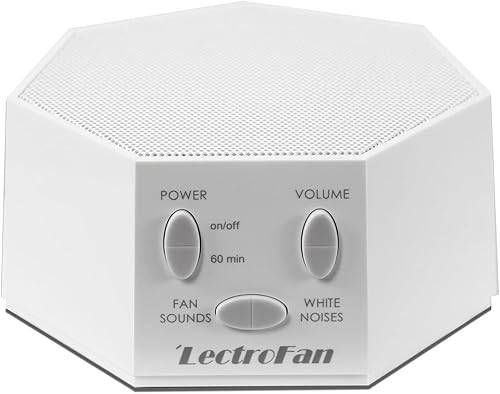
The LectroFan Classic (~$50) is the most recommended white noise machine on the market for good reason — 20 sound variations, genuine fan-based and electronic white noise, volume that actually goes high enough to cover traffic. The Yogasleep Dohm Classic (~$45) uses a real mechanical fan to create white noise, which some people prefer for the natural sound. For brown noise specifically, the Dohm has a warmer, more natural tone than electronic generators.
If you just want to test before spending money: YouTube has hours-long white and brown noise videos, and Spotify has playlists for both. Try them for a week before buying a dedicated machine.
The Bottom Line
White noise has more science behind it and better masking ability. Brown noise is more pleasant for most people to actually listen to all night. If you’ve tried white noise and found it grating, switch to brown — you’ll probably sleep better. If you’ve never tried either, start with white noise in a noisy environment, or brown noise if your room is already fairly quiet and you just want something to fall asleep to.
You might also like:
- How to Nap Without Waking Up Groggy
- Memory Foam vs Latex Pillows: Which One Actually Sleeps Cooler?
- SwitchBot Curtain 3 Review: Quiet Mornings Without the Yank
Browse all Sleep Science & Tips >