






Walk into any supplement aisle and you’ll find a dozen magnesium options. Glycinate, citrate, oxide, threonate, they all say “magnesium” on the label, but they don’t all work the same way. Some help you sleep. Some help your gut (whether you want that or not). Here’s what the research actually says about each type, and which ones are worth trying if better sleep is the goal.
Disclosure: Some links in this article are affiliate links. We may earn a commission at no extra cost to you.
Why Magnesium Helps With Sleep
Magnesium plays a role in activating your parasympathetic nervous system, that’s the “rest and digest” mode your body needs to shift into before sleep. It also helps regulate melatonin and binds to GABA receptors, which calm neural activity. About half of adults don’t get enough magnesium from food alone, and deficiency shows up as restlessness, muscle cramps, and, you guessed it, trouble sleeping.
But here’s the thing most articles skip: the type of magnesium you take determines where it ends up in your body. Some forms cross the blood-brain barrier easily. Others mostly stay in your gut. If sleep is your goal, that distinction matters a lot.
The Types Worth Knowing About
| Type | Best For | Sleep Rating | Side Effects |
|---|---|---|---|
| Magnesium Glycinate | Sleep & relaxation | Excellent | Minimal |
| Magnesium L-Threonate | Brain health & sleep | Very Good | Minimal |
| Magnesium Citrate | General supplementation | Moderate | Can cause loose stools |
| Magnesium Oxide | Constipation relief | Low | GI issues common |
| Magnesium Taurate | Heart health & mild calming | Good | Minimal |
Magnesium Glycinate, The Go-To for Sleep
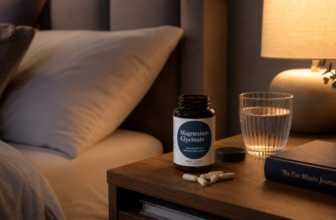
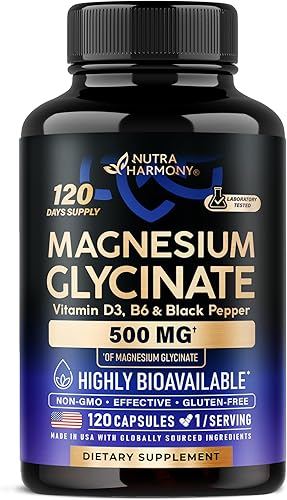
If you’re picking one type for sleep, glycinate is the safe bet. It’s magnesium bound to the amino acid glycine, which itself has calming properties. So you’re getting a double hit, the magnesium activates GABA receptors, and the glycine lowers your core body temperature slightly, which signals your brain that it’s bedtime.
Most studies use doses between 200-400mg of elemental magnesium taken 30-60 minutes before bed. Start at 200mg and work up. Glycinate is also the gentlest on your stomach, which is why it’s our top recommendation. We’ve tested several glycinate supplements, the Designs for Health and Organics Ocean versions both performed well.
Magnesium L-Threonate, The Brain-Focused Option
Threonate is the only form shown to cross the blood-brain barrier efficiently. Research out of MIT found it increased brain magnesium levels and improved sleep quality in older adults. It’s more expensive than glycinate, usually $30-40 for a month’s supply vs $15-20, but if you’re dealing with both sleep issues and brain fog, it might be worth the premium.
Fair warning: some people report vivid dreams on threonate. Not nightmares, just… more memorable dreams. That’s actually a sign of deeper REM sleep, which is a good thing, but it can feel strange at first.
Magnesium Citrate, Decent but Watch Your Gut
Citrate is probably the most common form you’ll find at the drugstore. It absorbs reasonably well and can help with sleep, but it draws water into your intestines. Translation: at higher doses, it acts like a mild laxative. Some people are fine with it. Others learn the hard way. If you’ve already tried glycinate and it didn’t work, citrate is worth a shot at a lower dose (150-200mg).
What About Combination Supplements?
Products like BIOptimizers Magnesium Breakthrough combine multiple forms in one capsule. The theory is that different forms absorb through different pathways, so you get better overall uptake. Makes sense on paper, and anecdotally, a lot of people report good results. The downside is you can’t isolate which form is actually helping, and these multi-form supplements tend to cost more.
Our Take
Start with magnesium glycinate at 200-400mg about an hour before bed. It’s affordable, gentle on the stomach, and has the most evidence for sleep in particular. If you want to spend more for potential brain benefits, threonate is the upgrade pick. Skip oxide entirely for sleep, it barely absorbs and mostly just sends you to the bathroom. And whatever type you choose, give it at least 2-3 weeks before deciding if it’s working. Magnesium isn’t melatonin, it doesn’t knock you out in 20 minutes. It builds up over time.
You might also like:
- Best Magnesium Supplements for Sleep Under $30 in 2026: 5 Picks That Actually Work
- MedChoice 12-in-1 Sleep Capsules Review: 12 Ingredients in One Pill for Under $22
- Top 10 Sleep Aids That Actually Have Science Behind Them
Browse all Sleep Supplements >