


You’ve probably heard that looking at your phone before bed is bad for your sleep. But do you actually know why? The answer comes down to a specific wavelength of light, blue light, and the surprisingly powerful effect it has on your brain’s internal clock. Understanding the science behind blue light and sleep isn’t only interesting, it’s the key to making simple changes that can dramatically improve how quickly you fall asleep and how rested you feel in the morning.
What Is Blue Light, Exactly?
Blue light is a high-energy visible light with wavelengths between roughly 380 and 500 nanometers. It’s naturally present in sunlight, which is why the sky looks blue. During the day, blue light exposure is actually beneficial, it boosts alertness, improves mood, and helps regulate your circadian rhythm. The problem starts when you’re exposed to artificial blue light sources after sunset. Screens on phones, tablets, laptops, and TVs all emit significant amounts of blue light, and so do LED and fluorescent light bulbs that have replaced the warmer incandescent bulbs in most homes.
How Blue Light Disrupts Your Sleep Cycle
Your body’s sleep-wake cycle is controlled by your circadian rhythm, a roughly 24-hour internal clock that’s primarily regulated by light exposure. When your eyes detect blue light, specialized cells in your retina called intrinsically photosensitive retinal ganglion cells (ipRGCs) send signals directly to the suprachiasmatic nucleus (SCN) in your brain. The SCN is basically your master clock, and when it receives blue light signals, it tells your pineal gland to suppress melatonin production.
Melatonin is the hormone that makes you feel sleepy. It normally starts rising about two hours before your natural bedtime, gradually preparing your body for sleep. Research published in the Journal of Clinical Endocrinology and Metabolism found that exposure to blue light in the evening suppressed melatonin production for about twice as long as green light, and shifted circadian rhythms by twice as much. In practical terms, this means scrolling through your phone for an hour before bed can push your natural sleep time back noticeably, making it harder to fall asleep even when you finally put the screen down.
The Real-World Impact on Your Sleep
The effects of evening blue light exposure go beyond just delaying when you fall asleep. Studies have shown that it reduces the amount of REM sleep you get, which is the stage of sleep most important for memory consolidation and emotional regulation. It can also reduce overall sleep quality even if you manage to get the same number of hours. You might technically be in bed for eight hours, but if your melatonin was suppressed and your circadian rhythm was shifted, those eight hours won’t feel as restorative as they should.
This is particularly concerning for teenagers and young adults, whose circadian rhythms are already naturally shifted later. Adding evening screen time on top of an already-delayed internal clock can create a chronic sleep deficit that affects mood, academic performance, and even physical health over time.
What You Can Actually Do About It
The good news is that once you understand the mechanism, the solutions become straightforward. Here are the most effective strategies, ranked by how much they actually help.
1. Use Night Mode on All Your Devices
Every major operating system now includes a night mode or blue light filter. On iPhone it’s Night Shift, on Android it’s Night Light, and on Windows it’s Night Light in Display Settings. Set these to activate automatically at sunset. They shift your screen’s color temperature warmer, noticeably reducing blue light output. It’s the easiest change you can make, and it costs nothing.
2. Wear Blue Light Blocking Glasses in the Evening
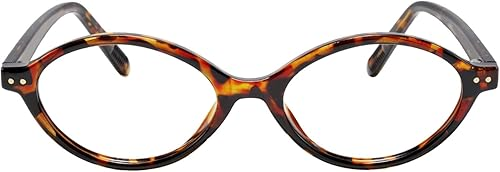
If you want more complete protection, or if you can’t avoid bright overhead lighting, blue light blocking glasses are surprisingly effective. Look for glasses that filter wavelengths in the 400-500nm range. The amber or orange-tinted lenses tend to be more effective than clear “blue light” lenses, which often only filter a small percentage of blue light. We’ve tested the TIJN Blue Light Blocking Glasses and found them to be an excellent affordable option.
3. Create a Screen-Free Wind-Down Period
The most effective strategy is the simplest: stop using screens 60 to 90 minutes before your target bedtime. Replace that time with reading a physical book, light stretching, journaling, or conversation. This gives your melatonin levels time to rise naturally. If a full 90 minutes feels impossible, even 30 minutes makes a measurable difference.
4. Optimize Your Bedroom Lighting
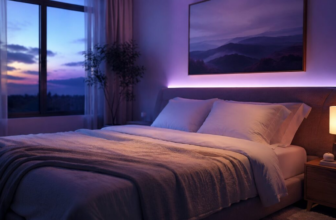
Switch your bedroom lights to warm-toned bulbs (2700K or lower) and keep brightness low in the hour before bed. Smart bulbs that can shift color temperature on a schedule are ideal for this, they can automatically warm up as bedtime approaches. Even better, use a dim salt lamp or candle-light-colored night light as your only light source while you do your bedtime routine. If you’re sensitive to any light while sleeping, blackout curtains can make a significant difference.
5. Support Your Natural Melatonin Production
Beyond reducing blue light, you can support your body’s natural melatonin production with the right supplements. Magnesium glycinate is one of the most evidence-backed options, it doesn’t directly produce melatonin, but it helps calm the nervous system and supports the biochemical pathways that lead to melatonin production. Check out our roundup of the best sleep supplements for more options that actually have science behind them.
The Bottom Line
Blue light from screens isn’t some overblown health scare, the science behind its effect on melatonin and circadian rhythm is well-established. But the fix doesn’t require giving up technology. A combination of night mode filters, mindful evening habits, and the right bedroom environment can protect your sleep without dramatically changing your lifestyle. Start with the easiest changes first, and you’ll likely notice a difference within just a few nights.
You might also like:
Frequently Asked Questions
How does blue light affect your circadian rhythm?
Blue light suppresses melatonin production by signaling your brain that it’s still daytime. This tricks your body into staying awake when you should be winding down. That’s why screens before bed disrupt sleep so badly.
Do blue light glasses actually work?
They help reduce blue light exposure, but research is mixed on whether they noticeably improve sleep. The bigger issue is screen time itself, even with glasses, you’re stimulating your brain. Putting the phone down earlier works better.
What’s the best way to reduce blue light exposure at night?
Stop screens 1-2 hours before bed. If you must use them, enable night mode/blue light filter on your devices and dim the brightness. Or wear blue light glasses. But honestly, the oldest trick works best: just stop using screens.
Is blue light bad during the day?
No, blue light during the day is healthy. It helps keep you alert and regulates your circadian rhythm properly. The problem is only evening exposure, which confuses your body about what time it is.