




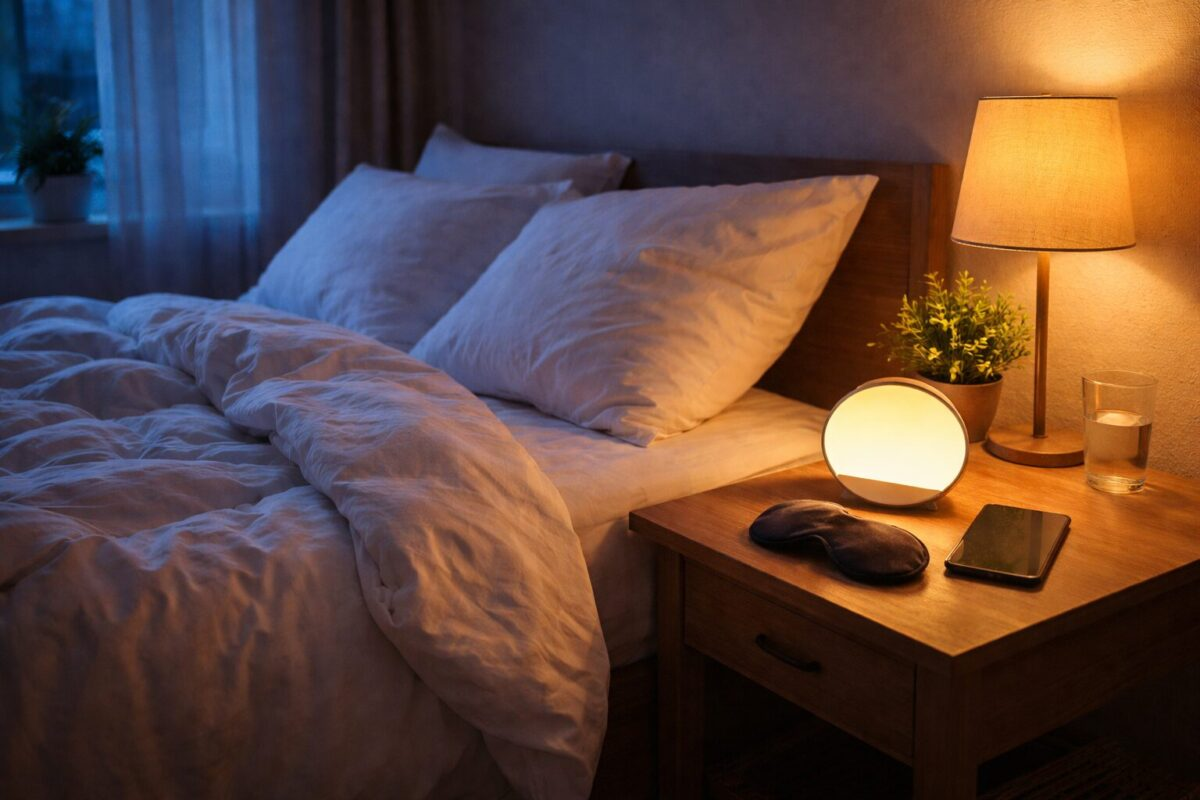
You probably think you’re getting enough sleep. Most people do. Then they realize they’re hitting snooze five times, dragging through meetings, and reaching for their third coffee by 11 AM. Sound familiar?
The truth is, quality sleep isn’t just about the hours you log, it’s about understanding what your body actually needs. Here’s how to actually fix your sleep and build habits that stick.
Why You’re Probably Not Sleeping as Well as You Think
Our expectations around sleep are broken. We assume that if we’re horizontal for seven hours, we’ve “slept.” But sleep isn’t a light switch. It’s a process with multiple stages, each doing different work in your brain and body.
Most people sacrifice sleep quality without realizing it. A bedroom that’s too warm, your phone buzzing at 2 AM, stress from work, these aren’t minor annoyances. They fragment your sleep, preventing you from reaching the deeper, restorative stages where your body does critical repair work.
The Science of Sleep Cycles: What’s Actually Happening
Your brain cycles through roughly 90-minute segments throughout the night. Each cycle has four stages: light sleep (1-2), deeper sleep (3), and REM sleep, where dreams happen and your brain consolidates memories.
This is why sleeping 6 hours straight is better than sleeping 7.5 hours interrupted by your partner’s snoring. Disruptions shatter these cycles. You wake up during REM, and when you fall back asleep, you start a new cycle from the beginning.
Your circadian rhythm, your body’s internal 24-hour clock, controls when you produce melatonin and when you’re naturally alert. When you ignore this rhythm by working night shifts, gaming until 2 AM, or staying up late scrolling, you’re working against your biology, not with it.
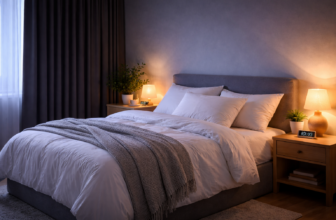
Fix Your Sleep Environment First
Before you buy anything or change your routine, fix your bedroom. It’s the foundation.
Temperature: Your core body temperature needs to drop for sleep. A room that’s too warm keeps you alert. Aim for 60-67 degrees Fahrenheit. If that’s not possible, cooling mattress pads can help.
Light: Darkness triggers melatonin production. Even small amounts of light interfere. Blackout curtains or a motorized blackout solution eliminates this problem. If light leaks through gaps, it’s worth fixing.
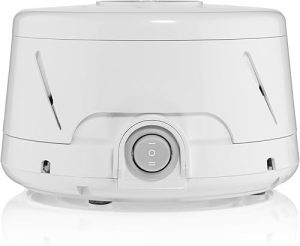
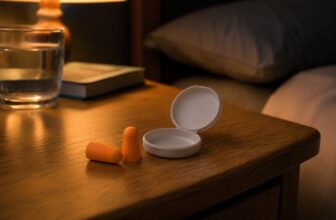
Noise: Your brain never fully sleeps if it’s monitoring sounds. A good white noise machine masks unpredictable sounds and is a worthwhile investment.
Mattress and pillows: You spend 25-30 years of your life on these. An uncomfortable mattress causes micro-arousals throughout the night. A quality mattress topper can extend the life of an older mattress. For pillows, your neck and head need proper support. Adjustable pillows let you dial in the exact loft you need.
Build a Pre-Sleep Routine That Actually Works
Wellness culture pushes meditation, calming tea, and essential oils. Some of this works. Most of it doesn’t, or at least, not as much as the internet claims.
What actually matters: your body needs to shift from “go” to “rest” mode. This takes 30-60 minutes. If you’re answering emails at 10 PM and jumping into bed at 10:05 PM, your nervous system is still in alert mode.
What works: Dim your lights an hour before bed. Put your phone in another room. Stop checking work emails at least an hour before sleep.
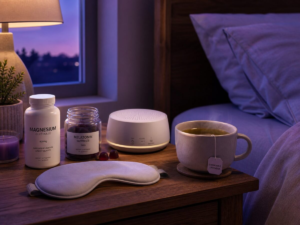
Different types of magnesium have different effects, some relax muscles, some calm your nervous system. Experiment to find what works for you.
Caffeine after 2 PM is rough. It has an 8-hour half-life. If you drink coffee at 4 PM, half of it is still there at midnight, keeping you wired.
Tech and Gadgets That Actually Help
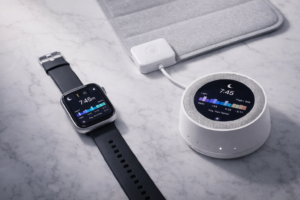
Sleep trackers can show you patterns. Once you see the pattern, you can fix it. Is it noise? Temperature? Your partner’s schedule? Tracking identifies the problem.
Smart lights that gradually dim and brighten keep your circadian rhythm aligned. This is actually powerful, your body’s clock stabilizes, and sleep comes easier.
Cooling mattress pads matter if your bedroom is warm. Dual-zone cooling means you can both be comfortable. Temperature control eliminates a major sleep disruptor.
Supplements With Real Evidence
Most sleep supplements don’t work. But a few have actual research:
Magnesium: Different forms do different things. Magnesium glycinate is gentle and good for relaxation. Start low, too much causes loose stools. Effective dose is usually 200-400mg.
Melatonin: Timing matters more than dose. Take it 30 minutes before you want to sleep. 0.5-3mg is usually enough. Don’t rely on it long-term; it’s a temporary reset tool.
When to See a Doctor
If you’ve fixed your environment, fixed your routine, and you’re still exhausted, something else is happening.
Sleep apnea: You stop breathing briefly throughout the night. Your oxygen drops, your heart works harder, and you never reach deep sleep. If you snore loudly, gasp at night, or wake with a headache, see a sleep specialist.
Chronic insomnia: You consistently can’t fall or stay asleep. A sleep specialist can do a sleep study. Cognitive behavioral therapy for insomnia (CBT-I) has strong evidence, better than sleeping pills long-term.
You Might Also Like
You might also like:
- How to Choose a Pillow for Back Sleepers (2026 Buyer’s Guide)
- How to Choose a Weighted Blanket (2026 Buyer’s Guide)
- Best Earplugs for Sleeping in 2026: 5 Picks Sorted by Sleep Style
Browse all Sleep Science & Tips >