





Update, October 2026: Garmin released the Venu 4 in September 2025, starting at $549.99. The Venu 3 mentioned here is now the older, cheaper option.
Heads up: this post contains affiliate links. We may earn a small commission if you buy through them, at no extra cost to you.
Sleep tracking has gotten really good in the last few years and really expensive too. We’ve spent the last 6 months wearing rotating combinations of sleep trackers to figure out which ones actually deliver useful data versus which ones are just selling you charts.
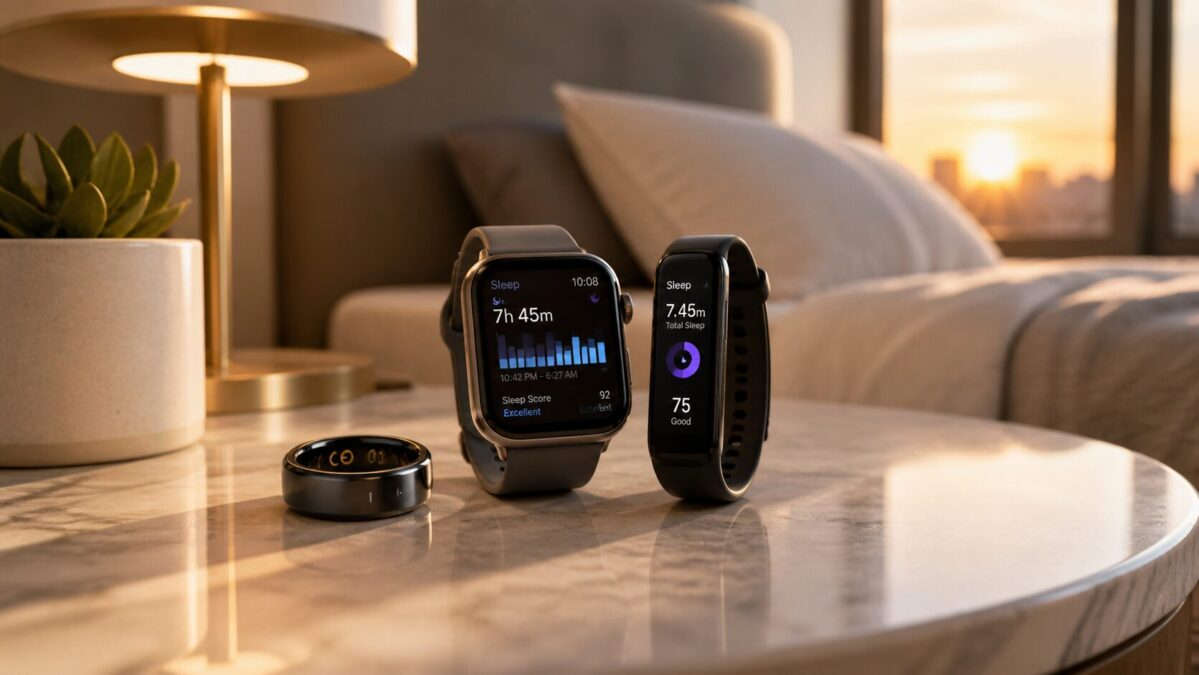
This compares the four big consumer trackers head to head: Oura Ring, Whoop 5.0, Apple Watch, and the Garmin Venu 3.
Quick verdict
- Best sleep tracker overall: Oura Ring Gen 4, most accurate sleep stage detection, smallest form factor
- Best for athletes: Whoop 5.0, strain/recovery scores actually useful for training
- Best all in one watch: Apple Watch Series 10, sleep is solid, plus everything else
- Best battery life: Garmin Venu 3 to 14 days between charges
Oura Ring Gen 4
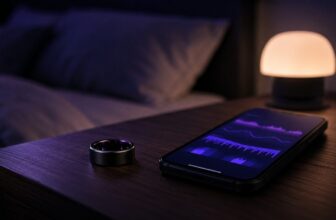
The ring nobody can tell you’re wearing. About $349 with a $5.99/month subscription that you basically need.
Sleep tracking is the most accurate of the four when independent comparisons put them against lab-grade EEG. Sleep stage detection (light/deep/REM) is genuinely close to what a sleep study would tell you. The temperature trend feature picks up illness, hormonal cycles, and recovery patterns better than wrist-based sensors.
Battery is around 5 to 7 days, charges in about 30 minutes. The ring itself is way more comfortable to sleep in than any watch. We don’t notice it after the first week.
Downsides: subscription. The hardware is good but you’re paying $5.99/month forever to access most of the features. Also the ring isn’t waterproof beyond shallow swimming, so heavy lifters and swimmers might bang it up.
Whoop 5.0
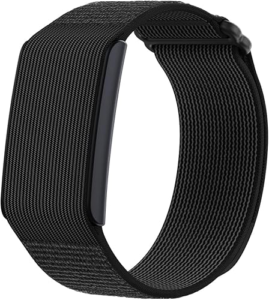
The wrist band that’s all about training load. About $239/year (subscription only, no separate hardware purchase).
Whoop’s sleep tracking is solid, similar accuracy to Oura, slightly less granular. Where Whoop shines is the strain and recovery scoring. It looks at HRV, resting heart rate, and sleep quality together to give you a daily recovery percentage that actually correlates with how you’ll feel and perform.
If you’re an athlete or hard-training person, the recovery score feature alone justifies the cost. We’ve made better training decisions based on Whoop’s “you’re 32% recovered, take it easy” guidance than from any other tracker.
Downsides: no screen, no notifications, doesn’t tell time. It’s just a band that tracks. If you want one device for everything, this isn’t it. Also the subscription model means if you stop paying, the device becomes useless.
Apple Watch Series 10
The all-rounder. Sleep tracking is good, not great. Sleep stages are reasonable but the Watch tends to overestimate REM and miss brief awakenings.
Where the Apple Watch wins: everything else. It’s also a notification device, GPS watch, ECG monitor, contactless payment, music control. If you already wear one, the sleep tracking is good enough that you don’t need a second device.
Battery’s the obvious problem, 18 hours means you have to figure out when to charge it. Most people charge at night, which means no sleep tracking. A common routine is charging during the morning shower and dinner.
If you want the absolute best sleep data, the Apple Watch isn’t it. If you want one device that does sleep plus everything else, it’s the most polished option.
Garmin Venu 3
The dark horse. About $450. Battery lasts 14 days. Sleep tracking is comparable to Apple Watch in accuracy, the metrics are slightly better thought-out for fitness people.
Garmin’s “Body Battery” feature is similar to Whoop’s recovery score, it gives you a 0 to 100 number representing your readiness based on sleep, stress, and activity. We’ve found it directionally accurate.
The watch face is bright and readable in direct sunlight, way better than the Apple Watch outdoors. Less polished software-wise but no subscription required and it’ll outlast your iPhone.
How accurate are they?
We have not run our own sleep lab comparison. Published validation studies generally find that consumer sleep trackers estimate total sleep time reasonably well, but they are much less reliable on individual sleep stages and on catching brief awakenings. Ring based trackers like Oura have held up well in some independent studies, while wrist devices vary by model and firmware.
The practical takeaway: treat stage numbers as trends over weeks, not as lab grade measurements for any single night.
What about cheaper options
Fitbit Charge 6, Withings ScanWatch, and the Amazfit GTR are all decent for basic sleep tracking at lower price points. They’ll tell you when you slept and roughly how restful it was. Sleep stage detection is less reliable.
Honestly, if you just want to know “did I sleep enough” and don’t care about the granular breakdown, a $130 Fitbit Charge 6 will do the job. The expensive ones are for people who want to dig into the data and make decisions from it.
Who should buy what
- Oura Ring: best sleep data, you don’t want a watch on at night, subscription doesn’t bother you
- Whoop: serious athlete, training decisions matter, you want recovery scoring
- Apple Watch: already in the Apple ecosystem, want one device for everything
- Garmin Venu 3: hate charging things, want longer battery, prefer fitness over notifications
- Fitbit Charge 6: budget pick, basic sleep info is enough
The thing to remember
The best tracker is the one you’ll actually wear consistently. We’compared all of these, and a $50 cheap tracker you wear every night beats a $500 perfect tracker that lives on your nightstand half the time.
And no tracker fixes bad sleep. They tell you what’s happening. The fix is still cool dark room, consistent bedtime, no caffeine after 2pm, the basics. Magnesium can help too if your sleep is shallow.
As an Amazon Associate, we earn from qualifying purchases. Some links go to other affiliate networks.
You might also like:
- SnoozeBand Review 2026: Good Sleep Headphones You Can’t Buy on Amazon
- ZEEQ Smart Pillow Review 2026: What Happened to It, and What to Get Instead
- Therabody SmartGoggles 2nd Gen Review: A Face Massage That Puts You to Sleep
Browse all Sleep Tech & Trackers >