






Heads up: this post contains affiliate links. We may earn a small commission if you buy through them, at no extra cost to you.
Magnesium for sleep is one of those supplements that the wellness internet has decided is magical. The research is real but more nuanced than “take a pill, sleep better.” Here’s what actually works, what form to take, and how to know if it’s doing anything.
The basics
Magnesium is a mineral your body needs for over 300 enzymatic reactions including ones related to muscle relaxation, nervous system regulation, and melatonin production. About half of Americans don’t get enough from food. So supplementing fixes a real deficiency in a lot of people, which can quietly improve sleep quality.
If you’re already getting enough magnesium from leafy greens, nuts, seeds, and whole grains, supplementing won’t do much. If you’re not (most people), you’ll feel a difference within 2 to 4 weeks of consistent supplementation.
The form matters more than the dose
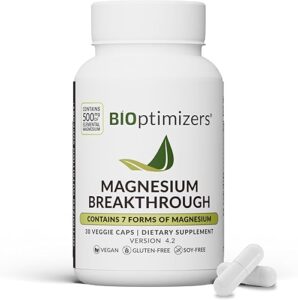
This is where most people screw up. There are 8+ forms of magnesium sold and they’re not interchangeable.
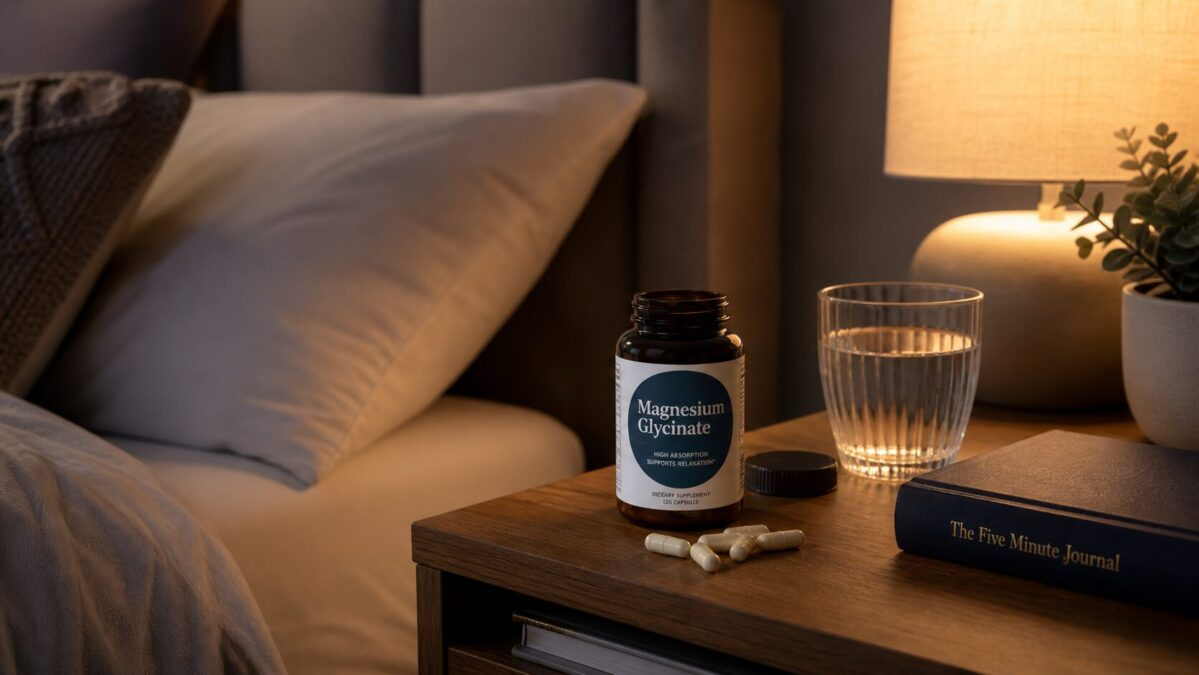
Magnesium glycinate (best for sleep)
This is the form to take. Highly absorbable, gentle on the stomach, the glycine itself has calming effects. Crosses the blood-brain barrier well. The combo is genuinely good for falling and staying asleep.
Take 200 to 400mg about 30 to 60 minutes before bed.
Magnesium citrate (decent but laxative)
Cheap, well absorbed, available everywhere. The catch: it’s a laxative at higher doses. Some people can take 400mg of citrate without issue. Others get the runs at 200mg. Start low if you go this route.
Magnesium L-threonate (premium)
The expensive form. Crosses the blood-brain barrier the best. Some research suggests it has additional cognitive benefits. About $40 to $50 for a month. Worth it if you have the budget and are after the sharpest results.
Forms to skip
Magnesium oxide. Cheapest form, terrible absorption (about 4%). What’s in your supermarket multivitamin. Mostly passes through you.
Magnesium sulfate (Epsom salts). Fine for baths but the “soaking absorbs magnesium through your skin” claim has very weak evidence. Take it orally if you want the benefits.
Magnesium chloride. Decent absorption but tastes terrible. The capsules are fine. Avoid the liquid spray version, the price-per-mg is wild.
How to take it
Standard protocol:
- Magnesium glycinate, 300 to 400mg
- 30 to 60 minutes before bed
- With or without food (though food slightly slows absorption, which can be fine for sleep purposes)
- Daily, consistently. The effect builds over weeks.
Don’t take it with calcium supplements, they compete for absorption. If you take both, separate by at least 2 hours.
What to expect
If you’re deficient, you’ll notice:
- Falling asleep faster (within 1 to 2 weeks)
- Fewer middle of the night wakeups (within 2 to 4 weeks)
- Less restless legs if you have that
- Easier muscle relaxation, fewer cramps
- Reduced morning anxiety in some people
If you’re not deficient, you might not notice anything. That’s actually a good sign that your diet is on point.
Brands worth buying
Doctor’s Best Magnesium Glycinate is the value pick. About $20 for 240 capsules. Third party tested. It’s a long running favorite with a strong owner review record.
Pure Encapsulations Magnesium Glycinate is the premium option, around $35 for 90 capsules. Cleaner formulation, no fillers. Worth it if you’re sensitive to additives.
Magtein L-Threonate is the only L-threonate brand that’s the actual licensed compound (others use a knockoff). Around $40/month.
Skip Walmart and gas station magnesium. The labeling is often wrong and the form is usually oxide.
Side effects to watch for
Glycinate is generally well tolerated. Things to watch for at higher doses:
- Loose stools (start lower if this happens)
- Lightheadedness if you stand up fast (rare, can happen at 600+mg)
- Vivid dreams (some people get this, others love it)
If you have kidney issues, talk to a doctor before taking magnesium. The kidneys regulate magnesium levels, and supplementing without good kidney function can cause problems.
Stacking with other sleep supplements
Magnesium glycinate plays well with most sleep supplements. The most useful combos:
- Mag glycinate + L-theanine 200mg. The classic relaxation stack. Theanine is in green tea and helps with mental relaxation. Combo is gentle and effective.
- Mag glycinate + glycine 3g. Glycine on its own has sleep research behind it. Stacking adds extra calming.
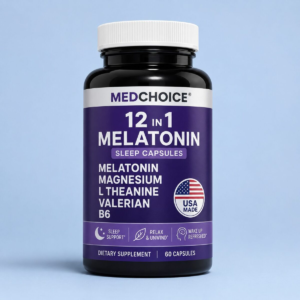
- Mag glycinate + low dose melatonin (0.3 to 0.5mg). Skip the 5 to 10mg melatonin people take, that’s way too much. Tiny dose plus magnesium is the sweet spot for most people.
Skip ZMA (zinc/magnesium/B6 combo), the formulations are usually weak doses of cheap forms. Just buy the components you actually want at proper doses.
Bottom line
If you’re considering magnesium for sleep: get glycinate, 300 to 400mg, 30 minutes before bed, daily for at least a month before deciding if it works. Doctor’s Best is the cheap reliable option.
Don’t expect miracles in 3 nights. The effects build. And it works alongside good sleep habits, not as a replacement for them. We’ve covered sleep trackers if you want to actually measure the impact.
As an Amazon Associate, we earn from qualifying purchases. Some links go to other affiliate networks.
You might also like:
- Best Jet Lag Recovery Gear in 2026: 5 Picks That Reset Your Sleep
- Best Sleep Products for New Parents in 2026
- Best Sleep Products for Shift Workers in 2026
Browse all Sleep Supplements >