




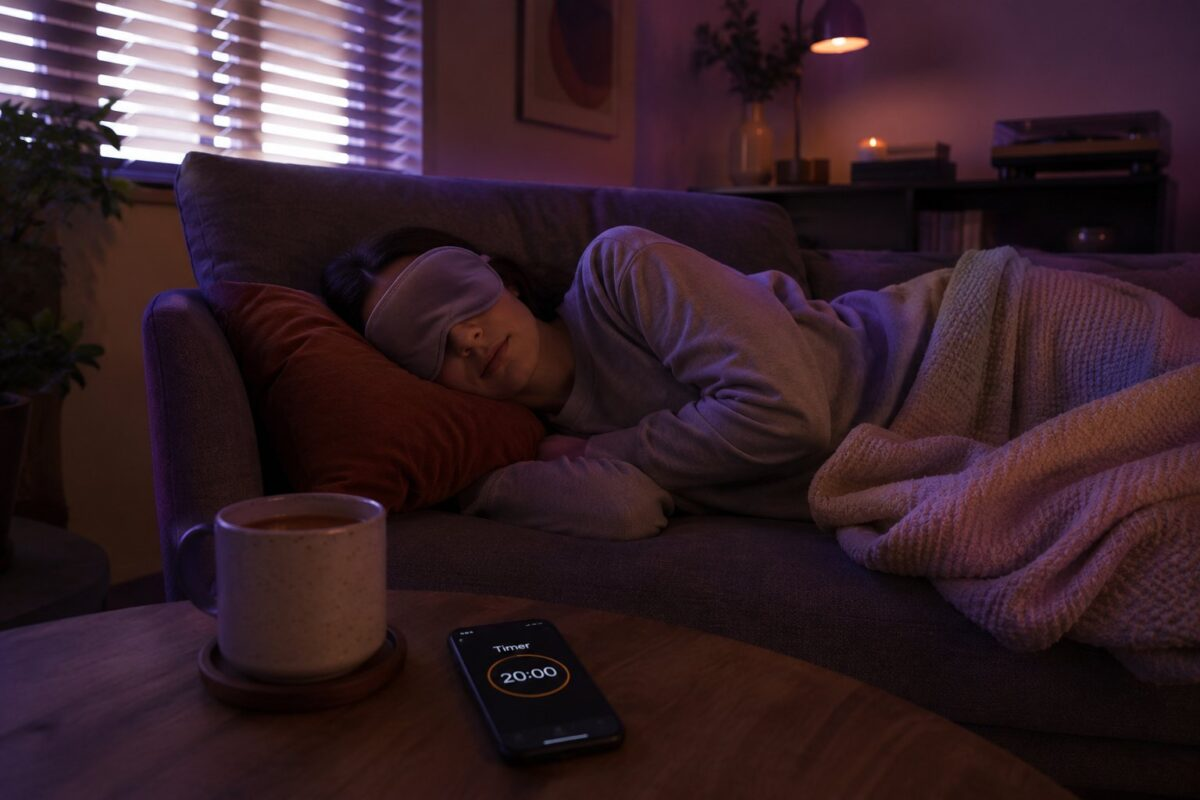
Twenty minutes or ninety. Those are the two nap lengths that work, and almost everything that feels bad about napping comes from landing somewhere in between. Here’s why, and how to set up a nap that doesnt leave you worse off than before.
Why 45 minute naps feel terrible
Your brain moves through sleep in stages. The first 15 to 20 minutes are light sleep, easy to wake from, and even a short visit leaves you sharper. Push past the half hour mark and you start sinking into slow wave sleep, the deep stuff. Get woken in the middle of that and you get sleep inertia, the groggy, headachy, what-year-is-it feeling that can drag on for half an hour. A 45 minute nap almost guarantees you wake up mid-deep-sleep. Thats the whole mystery solved, you weren’t napping wrong, you were napping medium.
The two nap lengths that work
The 20 minute nap wakes you before deep sleep starts. Set an alarm for 25 to give yourself drift-off time. This is the workday nap, the parking lot nap, the one that fixes the 2pm slump without wrecking your night sleep.
The 90 minute nap rides a full sleep cycle, light sleep, deep sleep, REM and back up. You wake at the top of the cycle feeling like a functional person. Its the right call after a brutal night, a red eye, or a night shift. It does borrow from your nighttime sleep pressure though, so dont use it casually after about 3pm or you’ll be staring at the ceiling at midnight.
One more trick worth knowing: drink a coffee right before a 20 minute nap. Caffeine takes around 20 minutes to hit, so it kicks in exactly as the alarm goes off. Sounds gimmicky, works disturbingly well.
Timing beats length
The natural dip in your circadian rhythm lands somewhere between 1 and 3pm for most people, earlier if you wake at 5, later if you’re a night owl. Napping in that window means falling asleep faster and getting better quality sleep out of the same 20 minutes. Past 4pm, naps of any length start eating into the night, and if you have insomnia issues at all, afternoon naps are usually the first thing to cut. Our guide for light sleepers covers that tradeoff in more detail.
Setting up a nap that actually happens
Falling asleep on command in daylight is the hard part. Two pieces of gear carry most of the load here. A contoured sleep mask kills the daylight problem completely, and it’s the same one you’d pack for travel anyway, we rank one at the top of our travel sleep gear list.
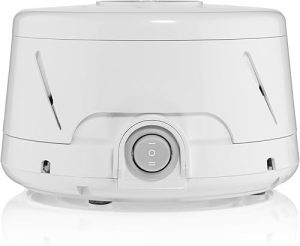
Sound is the other half. A white noise machine flattens out the doorbells and lawnmowers that yank you out of stage one sleep before it gets anywhere. Doesnt need to be fancy, the under $50 units do the job fine.
Shop white noise machines on Amazon >
When napping is a symptom
If you need a nap every single day to function, the nap isnt the problem. Average nightly sleep under 7 hours, loud snoring, or waking unrefreshed every morning are all worth a conversation with a doctor before you optimize your nap technique. Naps patch a bad night here and there. They cant patch a bad month.
Disclosure: Some links in this article are affiliate links. We may earn a commission at no extra cost to you.
As an Amazon Associate, we earn from qualifying purchases.You might also like:
Browse all Sleep Science & Tips >