





What You Need to Know
When sleep hygiene habits alone aren’t cutting it, natural sleep supplements can provide an extra boost. But the supplement industry is full of bold claims and inconsistent quality, making it hard to know what actually works. In this guide, we break down the most popular sleep supplements based on current scientific evidence, explain proper dosing, and help you decide if supplementation is right for you.
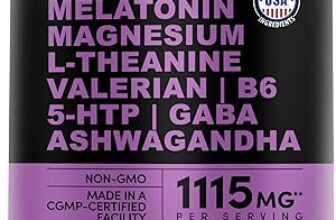
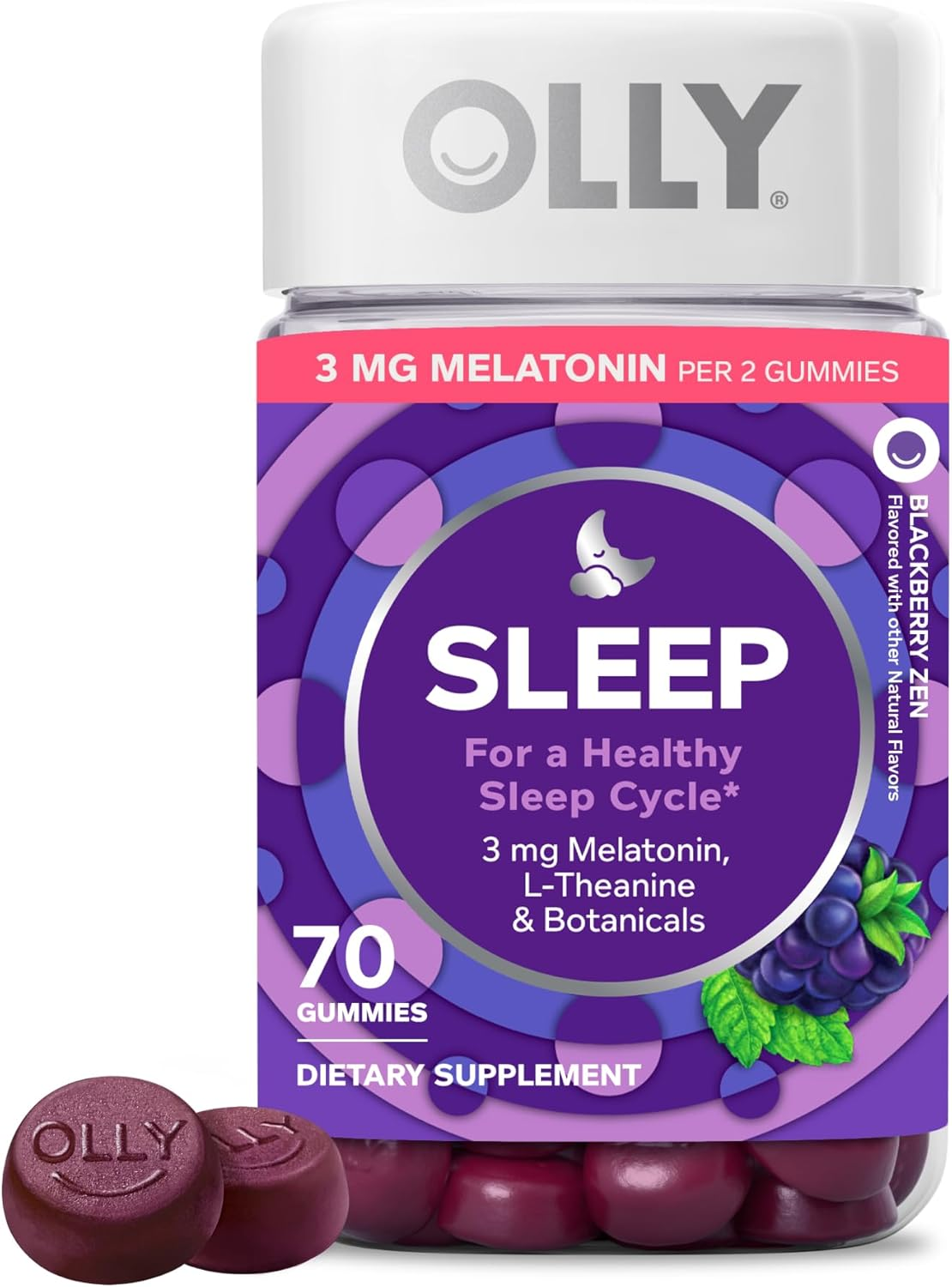
Melatonin is a hormone your body naturally produces in response to darkness. As a supplement, it’s most effective for circadian rhythm issues, jet lag, shift work adjustment, or delayed sleep phase syndrome, rather than general insomnia. Research consistently shows that melatonin can help you fall asleep faster and is particularly useful for resetting your sleep-wake cycle.
The key with melatonin is dosage. Many over-the-counter products contain 5-10 mg, but research suggests that 0.3-1 mg is often more effective than higher doses. Too much melatonin can actually cause grogginess, headaches, and even disrupt your natural production over time. Start low and take it 30-60 minutes before your intended bedtime.
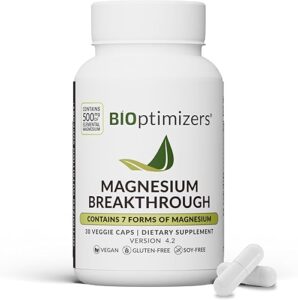
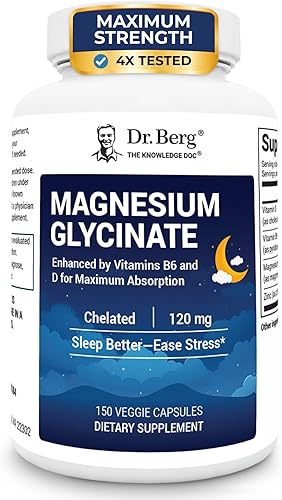
Magnesium plays a role in over 300 enzymatic reactions in the body, including those involved in nervous system regulation and muscle relaxation. Many adults don’t get enough magnesium from their diet alone, and deficiency is associated with poor sleep quality, restless legs, and muscle cramps.
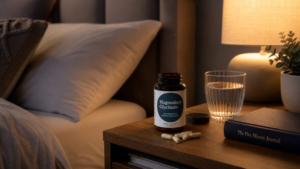
For sleep, magnesium glycinate is generally considered the best form, the glycine component itself has calming properties and the glycinate form is gentle on the stomach. Magnesium threonate (also marketed as Magtein) is another option that may cross the blood-brain barrier more effectively. Typical sleep-supporting doses range from 200-400 mg taken 1-2 hours before bed.
L-theanine is an amino acid found naturally in green tea. It promotes relaxation by increasing alpha brain wave activity, the same brain wave pattern associated with calm, meditative states, without causing sedation. This makes it useful for people whose main barrier to sleep is a racing mind or anxiety at bedtime.
Final Verdict
Sleep supplements work best as part of a full sleep hygiene approach, they’re not a substitute for consistent sleep schedules, a good sleep environment, and healthy daytime habits. Always consult with your healthcare provider before starting any supplement, especially if you take medications or have underlying health conditions. And remember: if you have persistent sleep problems, a sleep specialist can address root causes that no supplement can fix.
You might also like:
- Lemme Sleep Gummies, Botanical Melatonin Blend for Natural, Drug-Free Sleep
- The Night Before 10-in-1 Sleep Aid Review: The All-in-One Supplement for Better Rest
- Momentous Magtein Review: The Brain-Targeted Magnesium for Better Sleep