





What You Need to Know
Sleep tracking technology has come a long way from basic smartphone apps that just monitored motion. Today’s sleep trackers use advanced sensors to measure heart rate, blood oxygen levels, respiratory rate, skin temperature, and movement to paint a detailed picture of your sleep quality. But which devices are actually worth your money? Here’s our breakdown of the best sleep trackers and tech for 2026.
Before investing in sleep tech, it helps to understand what these devices can and can’t do. Consumer sleep trackers estimate your sleep stages using proxy measurements, primarily heart rate variability (HRV), motion, and sometimes blood oxygen saturation. While they’re not as accurate as a clinical polysomnography (sleep study), modern devices have become surprisingly good at detecting overall sleep duration, identifying disruptions, and estimating time spent in light, deep, and REM sleep.
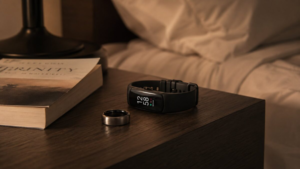
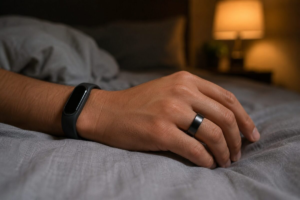
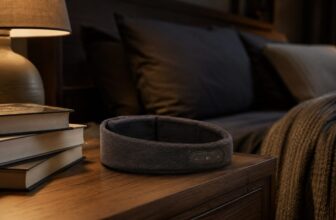
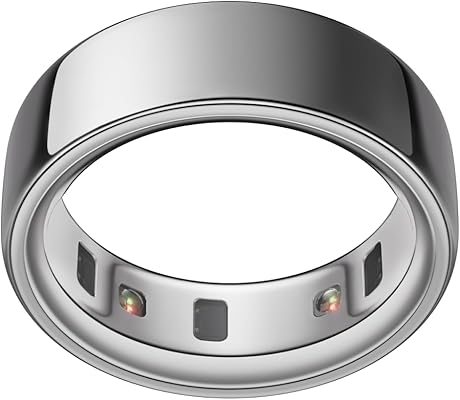
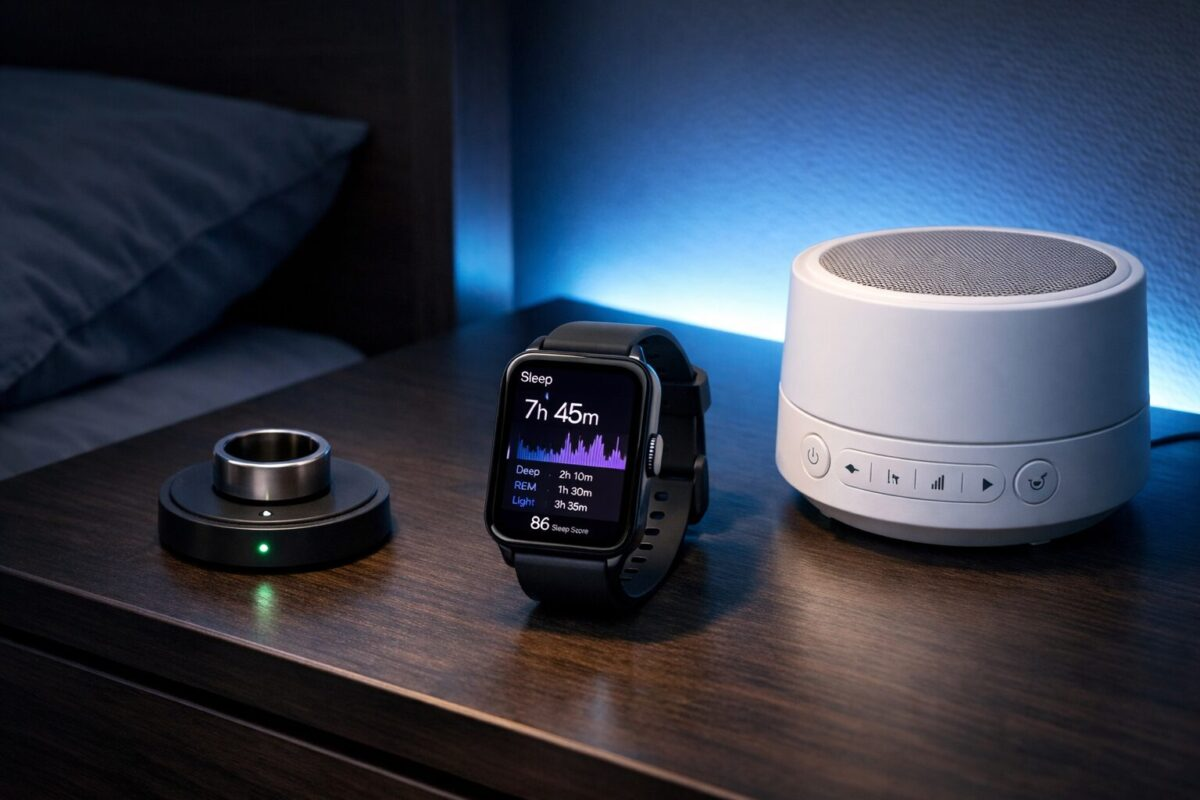
Smart rings have become one of the most popular sleep tracking form factors, and for good reason. They’re lightweight, comfortable to wear during sleep, and use photoplethysmography (PPG) sensors on the finger, a location that provides strong signal quality for heart rate and HRV measurement. The lack of a screen means they don’t emit blue light or tempt you to check notifications in bed. Leading options in this category track sleep stages, readiness scores, body temperature trends, and blood oxygen levels.
If you already wear a smartwatch during the day, it doubles as a capable sleep tracker at night. Modern smartwatches from major brands offer detailed sleep stage breakdowns, smart alarm features that wake you during lighter sleep phases, and integration with broader health ecosystems. The tradeoff is comfort, some people find watches too bulky for comfortable sleep, and battery life can be a concern if you’re also wearing the device all day.
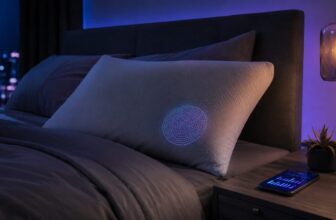
For people who don’t want to wear anything to bed, under-mattress sleep trackers offer a compelling alternative. These thin sensor strips or pads sit beneath your mattress and use ballistocardiography to detect heart rate, breathing patterns, and movement through the mattress itself. Some advanced models also monitor bedroom environment factors like temperature, humidity, and noise levels. They’re completely non-intrusive and never need charging (most plug into a wall outlet).
Smart mattress pads combine sleep tracking with active temperature regulation. They circulate water through a thin pad on your mattress, allowing you to cool or warm each side of the bed independently. The built-in sensors track your sleep automatically while the temperature control can noticeably improve sleep quality, particularly for hot sleepers or couples with different temperature preferences. These represent the premium end of sleep tech but often deliver the most tangible sleep improvements.
Final Verdict
We’ll keep researching and reviewing the latest sleep tech as new products launch throughout 2026. Bookmark this page for our updated recommendations and in-depth individual reviews.
You might also like:
- Oura Ring Gen 3, The Smartest Sleep Tracker You Can Wear
- Sleep Tracker Buyer’s Guide: Rings, Pads, and Watches Compared for 2026
- Best Sleep Tech Gadgets to Upgrade Your Bedroom in 2026
Browse all Sleep Tech & Trackers