



Heads up: Snooze Geek may earn a commission from some links on this site. We do not have an affiliate relationship with Hapbee, and the links in this review are plain links.
Hapbee Review 2026: Does It Help You Sleep?
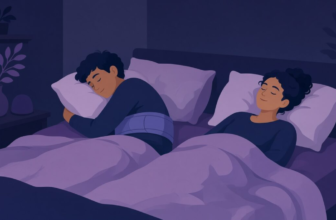
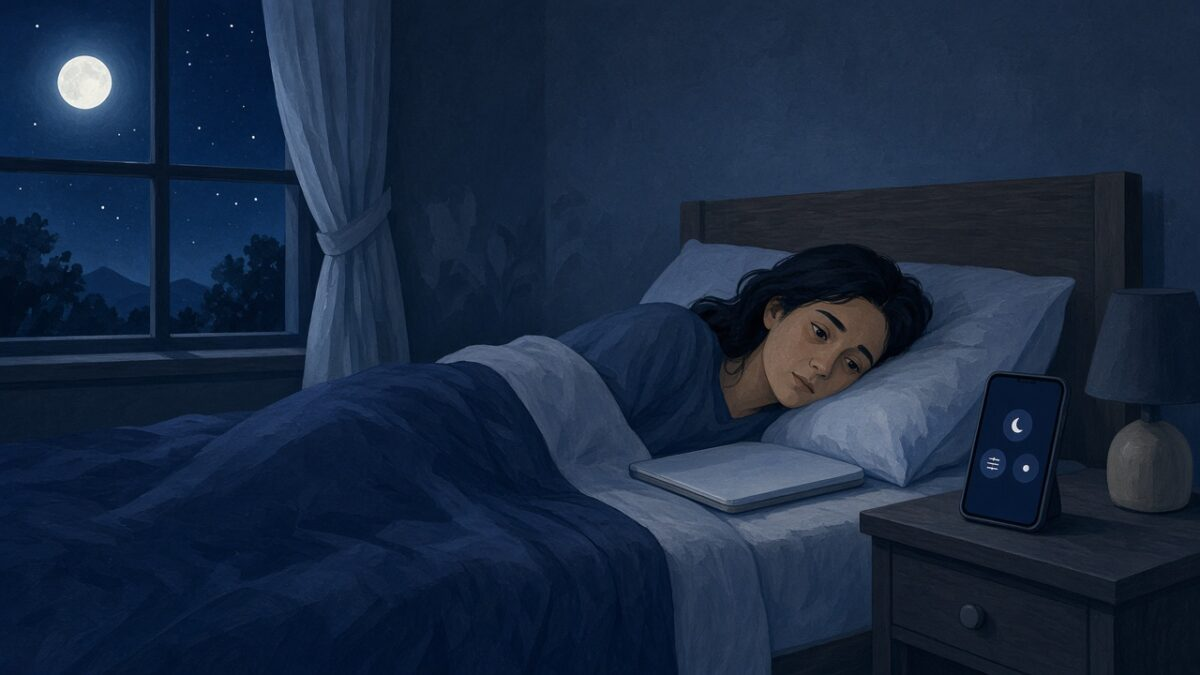
Hapbee sells something unusual: not a sound machine, not a sleep tracker, but a device that plays what the company calls ultra low radio frequency energy signals. The idea is that these signals are designed to recreate the feeling of things like melatonin or calm, without taking anything. You pick a signal such as Sleepy or Relax in the app and the device plays it.
That is a big claim, so this review focuses on one question: is there good evidence it works? We have not used a Hapbee ourselves. What we did was read Hapbee’s product and pricing pages, look at the research it points to, and search for independent studies.
What Hapbee claims
Hapbee’s marketing cites figures such as up to 48 percent more REM sleep and up to 50 percent less stress. Those numbers come from the company. We could not find an independent, peer reviewed clinical trial of Hapbee for sleep that confirms them.
Where the science comes from
The research behind Hapbee’s signals traces back to EMulate Therapeutics, a separate company that has studied this kind of signal for an entirely different purpose: a device for brain cancer (glioblastoma). That research does not show that a consumer neckband or pillow pad improves sleep in healthy people. Hapbee is also sold as a wellness product, not as an FDA cleared medical device.
None of this proves Hapbee does nothing. Hapbee points to user reports of feeling calmer, and a relaxing bedtime ritual can help on its own. But it does mean the claims are unproven, and that placebo is a real possibility.
The real cost
The upfront price is only part of it. To use the full signal library you need a membership. Over two years, a Sleep Pad plus the Sleep Pad Only annual plan comes to about $547. A neckband plus All Access annual comes to about $797. For comparison, a good white noise machine is a one time purchase that usually costs under $100.

Who might still try it
If you have already tried the basics, like a steady sleep schedule, a dark and cool room and a white noise machine, and you are curious, the 45 day money back guarantee lowers the risk. Go in treating it as an experiment, track how you sleep before and during, and send it back if you do not notice a clear change.
If you have ongoing insomnia, talk to a doctor. Cognitive behavioral therapy for insomnia has far stronger evidence than any gadget.
What Works
- Nothing to swallow, no habit forming drugs
- Sleep Pad is easy to use, just put it under your pillow
- 45 day money back guarantee
- One year warranty
What Doesn’t
- No independent clinical evidence for sleep
- Not FDA cleared
- Expensive hardware plus an ongoing membership
- Headline figures come from the company
Pricing at a Glance
| Neckband | $399 |
| Sleep Pad | $349 |
| Mattress Topper | $1,299 |
| All Access membership | $19 a month or $199 a year |
| Sleep Pad Only membership | $10 a month or $99 a year |
| Guarantee | 45 day money back |
| Warranty | 1 year |
Frequently Asked Questions
Does Hapbee actually work for sleep?
Is Hapbee FDA approved?
Does Hapbee need a subscription?
Can I return Hapbee if it does not work for me?
Final Verdict
Hapbee is an interesting idea wrapped in big claims that have not been independently tested. Between the hardware and the membership it costs hundreds of dollars a year, and there is no solid evidence it beats a good sleep routine. If you are curious and can afford the experiment, the 45 day guarantee is your safety net. Everyone else will get more for their money from proven basics like a cooling pillow or a white noise machine. Worried about tracking your sleep too closely? Read our piece on sleep tracker anxiety.
See Hapbee’s Site