





Sleep headphones sound simple until you start shopping, and then you hit a wall of options that all promise the same thing. Earbuds, headbands, bone conduction, masks with speakers baked in. Some are built for blocking your partner’s snoring, others are made to pipe in white noise or a podcast while you drift off. Pick the wrong type and you end up with a $90 gadget that digs into your ear every time you roll over.
This guide walks through what actually matters when you’re choosing, so you buy once instead of returning two. No specific product pitches here, just the stuff to weigh before you spend.
First, figure out what you need them to do
People reach for sleep headphones for a few different reasons, and the right pick depends entirely on yours. If you’re trying to drown out a snoring partner or a noisy street, you want passive blocking plus the ability to play steady sound. If you just like falling asleep to audiobooks or a sleep app, comfort matters way more than noise canceling. And if you travel a lot, packability and battery life jump to the top.
Be honest about how you sleep, too. Back sleepers can get away with almost anything. Side sleepers have a much harder time, because anything bulky in or on the ear becomes a pressure point against the pillow. We dug into that specific problem in our sleep headphones for side sleepers roundup, and it’s worth a read if you sleep on your side.
The four main types, and who each one suits
There’s no single best design. Each style trades something away.
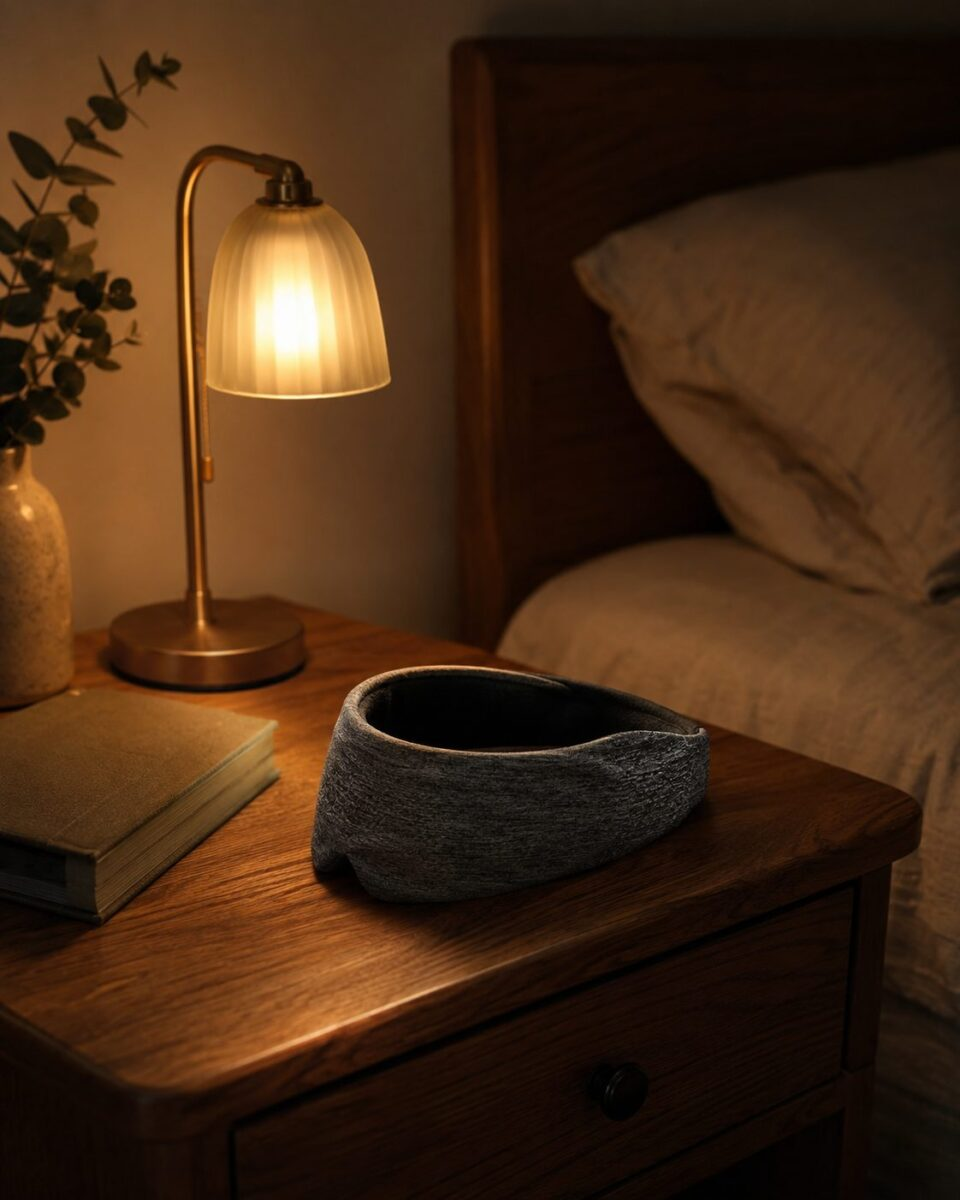
Headband speakers are the soft fabric bands with flat speakers tucked inside. They’re the comfiest option for side sleepers since there’s nothing hard pressing into your ear canal, and they double as a light eye cover. The catch is the sound quality is just okay and they can get warm on hot nights.
Tiny sleep earbuds like the Ozlo or Bose style go the opposite way. The audio is much better and the noise isolation is stronger, but you’ve got something physically in your ear all night. Some people forget they’re wearing them, others can’t stand it past an hour. If you’re curious whether the premium ones earn their price, our Ozlo Sleepbuds review gets into the real-world experience.
Bone conduction sits on your cheekbone instead of in your ear, so your ears stay open. Side sleepers usually find these awkward against a pillow, but they’re a favorite for back sleepers who hate the in-ear feeling. Then there are full eye masks with built-in Bluetooth speakers, which combine blackout and audio in one, handy for travel and naps.
Comfort beats every spec sheet
You can obsess over driver size and frequency response, but if the thing isn’t comfortable you won’t wear it, and an unworn gadget helps nobody. Weight, how far anything sticks out from your ear, and the fabric all matter more than audio specs for sleep. Look for soft, washable materials and a low profile.
Heat is the sneaky one people forget. A thick headband feels cozy in a cool room and miserable in July. If you run hot at night, lean toward breathable fabric or open-ear designs. Hot sleepers already have enough working against them.
Battery, fit, and the boring practical stuff
Battery life is where cheap sleep headphones cut corners. A full night is 7 or 8 hours, so anything advertising “up to 10 hours” is your floor, not a luxury. Earbuds tend to last the shortest, sometimes only matching a single sleep cycle, though many now have a passive sleep mode that keeps playing white noise even after the Bluetooth audio cuts to save power.
Fit adjustability matters if you have a smaller or larger head, since one-size headbands can slide off or pinch. For earbuds, check that multiple tip sizes come in the box. And give a thought to charging, a case that tops up on the go is genuinely useful if you travel. Speaking of which, if you’re building a kit for planes and hotels, our travel sleep gear picks pair well with the right headphones.
A quick gut check before you buy
Run through this and you’ll dodge most regret purchases. Do you sleep on your side? Skip bulky earbuds, go headband or low-profile. Mainly fighting snoring or street noise? Prioritize isolation and a white noise mode. Wear them for audiobooks and not much else? Comfort and battery win. Run hot? Breathable or open-ear. Travel often? Pack size and case charging.
If snoring is the whole reason you’re shopping, you might not even need headphones, sometimes earplugs plus a sound machine work better. We compared the options in our sleep products for snoring partners guide, and one of those routes might save you money.
The 29-Second Rundown
Frequently Asked Questions
Are sleep headphones safe to wear every night?
Do sleep headphones actually block snoring?
What’s the difference between sleep earbuds and regular earbuds?
Wired or Bluetooth for sleep?
You might also like:
- Is the Ozlo Sleepbuds Worth It? Honest 2026 Review
- Withings ScanWatch Nova Review: The Sleep Watch That Looks Like a Real Watch
- Best Sleep Headphones for Side Sleepers in 2026: 4 Comfy Picks
Browse all Sleep Tech & Trackers >