




How to Create the Perfect Sleep Environment: A Room-by-Room Guide

What You Need to Know
You can have the best mattress, follow perfect sleep hygiene, and still struggle to sleep if your environment works against you. The spaces where you spend your time, especially your bedroom, bathroom, and living areas, noticeably impact your sleep quality. This full guide walks you through creating best sleep conditions in every room of your home.
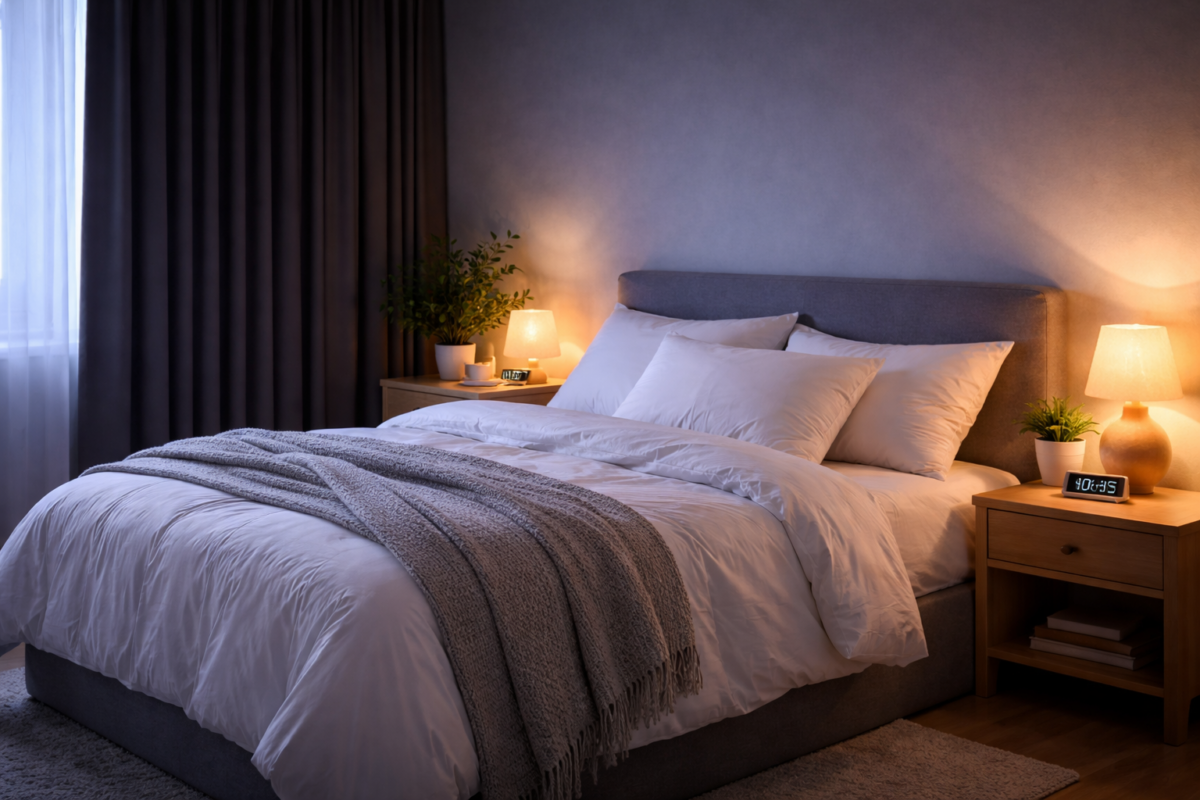
Sleep experts universally recommend a cool bedroom for best sleep. Your body naturally drops its core temperature as part of the sleep process, and a cool environment facilitates this. Research suggests the ideal bedroom temperature is between 60-67°F (15-19°C), though individual preferences vary.
To optimize temperature:
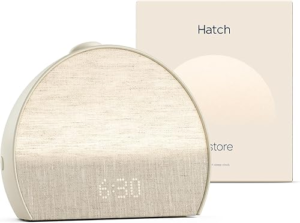
Light is one of the most powerful regulators of your circadian rhythm. Exposure to light tells your body it’s time to be awake, while darkness triggers melatonin production. Your bedroom should be as dark as possible.
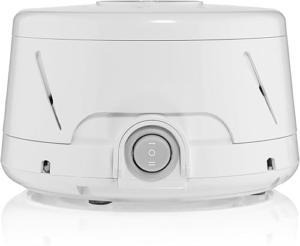
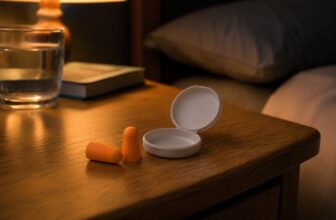
Sound disturbances wake you up, disrupting your sleep cycles. Even sounds you don’t consciously register can reduce sleep quality. Creating a quiet bedroom is essential.
Poor air quality and low humidity can disrupt sleep. Your breathing patterns change during sleep, so fresh, appropriately humid air helps prevent sleep fragmentation.
The Rooms Nobody Bothers Fixing
Bedroom advice is everywhere and most of it is right. Cool room, dark room, quiet room. The rooms that get ignored are the ones you pass through in the two hours before bed, and those set up how easily you drop off once you lie down.
Start with the bathroom. Whatever fixture is over the mirror is almost certainly a cold white LED putting out a lot of blue light, and you stand under it brushing your teeth at exactly the wrong moment. Swap the bulb for something around 2700K, or fit a dimmer, or just leave the main light off and use a small warm lamp for the last trip. Its a five minute fix that people skip because it sounds too small to matter.
Living room next. Overhead lighting after about 9pm keeps your system in daytime mode. Lamps at eye level or lower, warm bulbs, and turn off half of them as the evening goes. The point is a gradient rather than a switch flipping at bedtime.
Temperature Is A Whole House Problem
Around 65F is the number for the bedroom. Getting there matters more than the thermostat reading though. A room over the garage or under a flat roof will sit warmer than the hallway sensor thinks it is, so put a cheap thermometer on the nightstand for a week and find out what your room actually does at 3am. Most people are surprised.
Bedding traps heat regardless of air temperature. A cool room with a heavy synthetic duvet is still a hot bed. Wool and cotton move moisture, polyester holds it.
Kitchen And Everything Else
Late caffeine is the obvious one. Less obvious is that a bright kitchen at 10pm does the same job as the bathroom light, and heavy or spicy food inside three hours of bed pushes reflux into the first sleep cycle. Eat earlier if you can.
If your bedroom is fixed and you’re still struggling, work through the sleep hygiene checklist, then look at which noise colour suits the sound you’re trying to cover.
Final Verdict
Disclosure: Some links in this article are affiliate links. We may earn a commission at no extra cost to you.
You might also like:
- Sleep Hygiene Checklist: 15 Habits for Better Sleep Tonight
- Weighted Blankets: Do They Actually Help You Sleep? What the Science Says
- Melatonin vs Magnesium for Sleep: What the Research Actually Says
Browse all Sleep Science & Tips