



What You Need to Know
Sleep hygiene isn’t about how clean your sheets are (though that matters too). It’s the collection of habits, routines, and environment choices that set the stage for quality sleep. The frustrating truth about sleep problems is that they’re often caused by small, fixable things, but you have to actually change them consistently.
Here’s a practical, no-fluff checklist of 15 sleep hygiene habits backed by research. You don’t need to do all of them, start with the ones that address your biggest sleep issues and build from there.
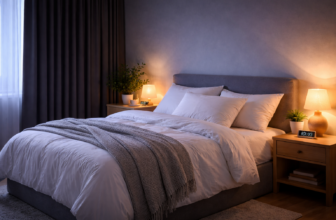
Your body needs to drop its core temperature by about 2 to 3°F to initiate sleep. A cool room makes this easier. Research consistently shows that 65 to 68°F is the sweet spot for most people. If you run hot, cooling sheets, a mattress topper with gel memory foam, or even just pointing a fan at your bed can help.
Even small amounts of light, from a phone charger LED, streetlight through curtains, or a hallway nightlight, can suppress melatonin production and fragment your sleep. Blackout curtains are one of the highest-impact sleep investments you can make. A sleep mask works too, especially for travel.
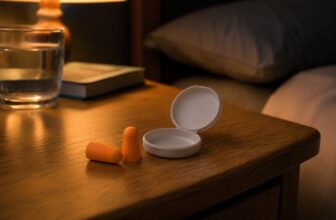
The problem with noise isn’t only loud sounds, it’s inconsistent noise. A car passing, a dog barking, a partner’s snoring. White noise machines work by creating a consistent sound floor that masks sudden noise spikes. Even a simple fan works. If you’re a light sleeper, soft silicone earplugs can make a huge difference.
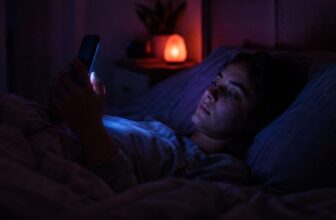
When you work, scroll your phone, or watch TV in bed, your brain starts associating the bed with wakefulness. Stimulus control therapy, one of the most evidence-backed insomnia treatments, starts with this simple rule: bed is for sleep (and intimacy). Everything else happens somewhere else.
Final Verdict
Disclosure: Some links in this article are affiliate links. We may earn a commission at no extra cost to you.
You might also like:
- Weighted Blankets: Do They Actually Help You Sleep? What the Science Says
- How to Create the Perfect Sleep Environment: A Room-by-Room Guide
- Melatonin vs Magnesium for Sleep: What the Research Actually Says
Browse all Sleep Science & Tips