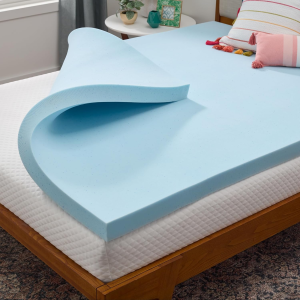







You’ve tried the fancy mattress. You’ve downloaded the sleep apps. You’ve even invested in blackout curtains. But if you’re still tossing and turning at night, the problem might not be your sleep environment, it could be what you’re doing in the hours before bed.
A well-designed nighttime routine is one of the most powerful (and free) tools for improving sleep quality. Research from the Sleep Foundation shows that consistent pre-sleep habits can reduce the time it takes to fall asleep by up to 30% and noticeably improve overall sleep quality.
In this guide, we’ll walk you through exactly how to build a nighttime routine that works, backed by sleep science, not just trends.
Why Your Nighttime Routine Matters More Than You Think
Your body doesn’t have an on/off switch for sleep. Instead, it relies on a gradual wind-down process governed by your circadian rhythm and hormonal signals. When you skip this wind-down period, scrolling your phone in bed, eating a late meal, or watching intense TV shows, you’re basically fighting against your body’s natural sleep preparation.
A consistent nighttime routine signals to your brain that sleep is approaching. Over time, these cues become automatic, making it easier to transition from wakefulness to deep, restorative sleep.
The Ideal Nighttime Routine: A Step-by-Step Timeline
3 Hours Before Bed: Set the Stage
Finish your last big meal. Eating too close to bedtime forces your digestive system to work overtime, which can disrupt sleep. If you need a snack later, opt for something light, a small handful of almonds, a banana, or a cup of chamomile tea are all excellent choices that may actually promote sleep.
Cut off caffeine (if you haven’t already). Caffeine has a half-life of about 5-6 hours, meaning half of that afternoon coffee is still circulating in your system hours later. Most sleep experts recommend a caffeine cutoff of at least 8 hours before bed, but if you’re particularly sensitive, noon might be your best bet.
2 Hours Before Bed: Begin the Wind-Down
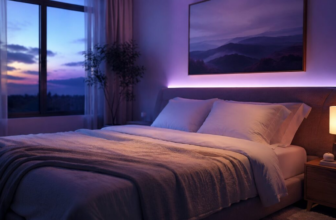
Dim the lights throughout your home. Bright overhead lighting suppresses melatonin production, the hormone responsible for making you feel sleepy. Switch to warm, dim lighting in the evening, table lamps, salt lamps, or smart bulbs set to a warm tone all work well. This simple change can increase melatonin production by up to 50%.
Stop intense exercise. While regular exercise dramatically improves sleep quality, vigorous workouts too close to bedtime upgrade your core body temperature and adrenaline levels. Light stretching or gentle yoga, however, can be beneficial even right before bed.
1 Hour Before Bed: Enter the Tech-Free Zone
Put away all screens. This is the single most impactful change most people can make. Blue light from phones, tablets, and computers suppresses melatonin and stimulates alertness. Even with night mode enabled, the cognitive stimulation from social media, news, and messaging keeps your brain in an active state.
Replace screen time with calming activities. Reading a physical book, journaling, doing a puzzle, or having a quiet conversation with a partner are all excellent alternatives. The goal is to engage your mind gently without overstimulation.
30 Minutes Before Bed: Prepare Your Body
Take a warm bath or shower. This might seem counterintuitive, but a warm bath actually helps you cool down faster afterward. The rapid drop in core body temperature mimics what happens naturally when you fall asleep, signaling to your body that it’s time for rest. Studies show this technique can help you fall asleep up to 36% faster.
Practice a brief relaxation exercise. Spend 5-10 minutes on deep breathing, progressive muscle relaxation, or a body scan meditation. The 4-7-8 breathing technique, inhale for 4 counts, hold for 7, exhale for 8, is particularly effective for activating your parasympathetic nervous system.
At Bedtime: Optimize Your Environment
Keep your bedroom cool. The best sleep temperature for most adults is between 60-67°F (15-19°C). Your body needs to drop its core temperature by about 2-3 degrees to initiate sleep, and a cool room facilitates this process.
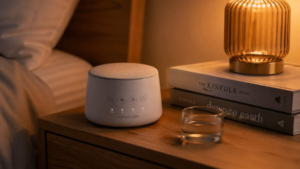
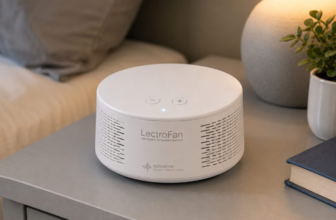
Use white noise or nature sounds if needed. Consistent background sound can mask disruptive noises and create a sleep-friendly acoustic environment. A dedicated white noise machine typically outperforms phone apps since you can keep your phone out of the bedroom.
Common Nighttime Routine Mistakes to Avoid
Being inconsistent with your schedule. Going to bed and waking up at wildly different times, especially on weekends, disrupts your circadian rhythm. Try to keep your sleep and wake times within a 30-minute window, even on days off. Your body clock doesn’t know it’s Saturday.
Using alcohol as a sleep aid. While a nightcap might help you fall asleep faster, alcohol noticeably disrupts sleep architecture. It suppresses REM sleep, causes more frequent awakenings in the second half of the night, and often leads to dehydration-related sleep disruption.
Lying in bed awake for too long. If you haven’t fallen asleep within 20 minutes, get up and do something calming in another room until you feel drowsy. Lying in bed frustrated trains your brain to associate the bed with wakefulness rather than sleep.
How Long Does It Take to See Results?
Most people notice improvements within the first week of implementing a consistent nighttime routine. However, the full benefits typically take 2-4 weeks to develop as your circadian rhythm adjusts to the new pattern. The key is consistency, your routine works best when it becomes automatic.
Start with the changes that feel most manageable. Even adopting just two or three of these habits can make a meaningful difference. Over time, you can build up to the full routine as each step becomes second nature.
The Bottom Line
Building a great nighttime routine doesn’t require expensive gadgets or radical lifestyle changes. It’s about working with your body’s natural rhythms instead of against them. Start tonight with one or two adjustments, stay consistent, and let the results speak for themselves. Your future well-rested self will thank you.
You might also like: Check out our review of How Blue Light Actually Affects Your Sleep (And What to Do About It) and our review of TIJN Blue Light Blocking Glasses Review: Protect Your Sleep From Screens.