



White Noise vs Pink Noise vs Brown Noise: Which Helps You Sleep Best?

What You Need to Know
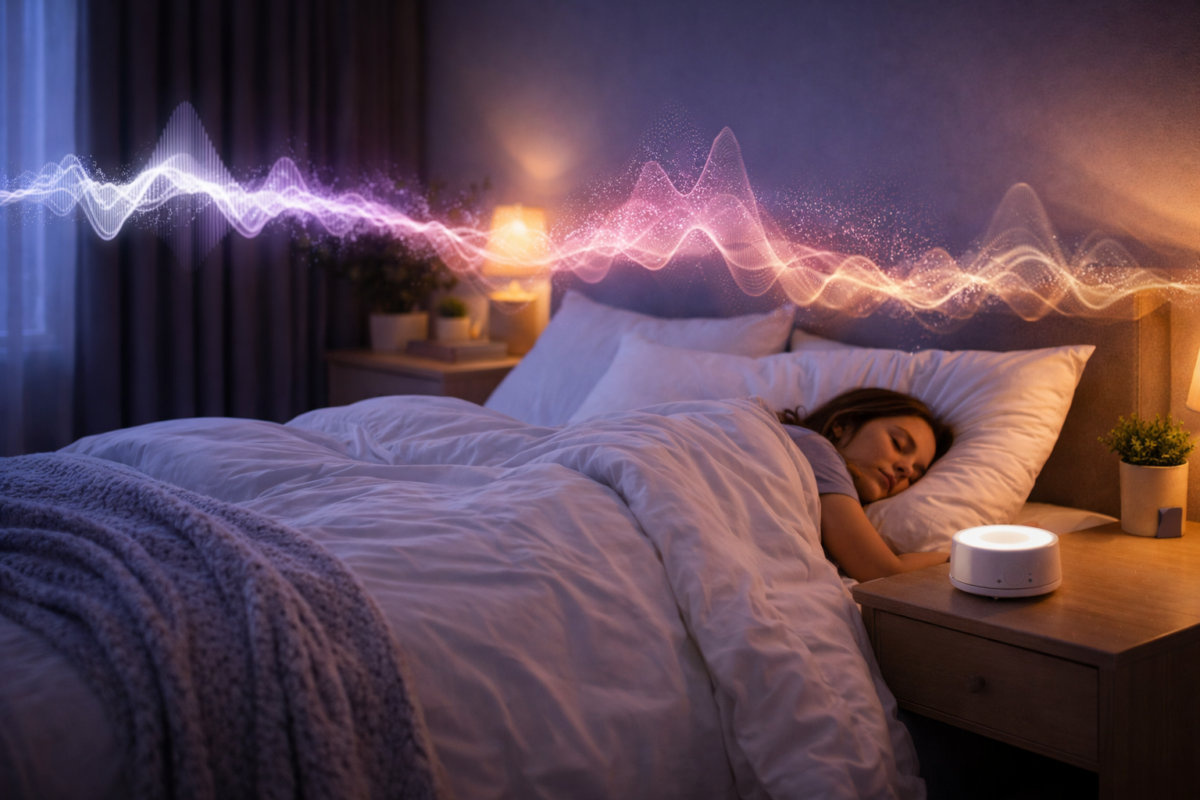
Not all noise is equally disruptive to sleep, and interestingly, certain types of sound can actually help you fall asleep and stay asleep. White noise, pink noise, and brown noise are three different types of ambient sounds that have gained popularity as sleep aids. But what’s the difference between them, and which one might work best for your sleep? let’s break down the science.
To understand these different types of noise, it’s helpful to know a bit about sound frequencies. Sound exists across a spectrum of frequencies measured in hertz (Hz). Lower frequencies produce deeper, bass-like sounds, while higher frequencies create treble or high-pitched sounds. The different types of noise we’ll discuss differ in how their sound energy is distributed across these frequencies.
White noise contains all audible frequencies at equal intensity. Think of it as combining all sound frequencies together at the same volume. The term comes from physics, just as white light contains all visible light wavelengths, white noise contains all audible sound frequencies.
White noise sounds like TV static, a rushing sound, or a constant hiss. It’s relatively uniform and unchanging, which creates a consistent auditory environment.
White noise works well for sleep because it masks disruptive environmental sounds. By providing a consistent background noise, white noise can prevent sudden sounds (like traffic or a neighbor’s TV) from jolting you awake. The steady, unchanging nature makes it easier for your brain to “tune out” and ignore the background.
For some people, white noise can actually be irritating rather than soothing. The higher frequencies in white noise can feel harsh or tiring to the ear over long periods. Some sleepers report that white noise feels overstimulating rather than calming.
Picking One Without Overthinking It
The frequency explanations are interesting and they dont help much at 11pm when you’re trying to choose a setting. Here’s the shortcut. Match the noise to whatever is waking you.
High pitched intrusions like voices through a wall, a TV next door, dogs, traffic squeal. White noise. It has energy up in that range so it covers those sounds directly. It also sounds harshest, which is why some people cant stand it.
Low rumble. Bass from a downstairs flat, road noise, a partner snoring. Brown noise, which is weighted heavily toward the bottom end and sounds like distant thunder or a waterfall from far away. It masks low frequency stuff that white noise sails straight over.
Nothing specific, you just want the room to feel less empty. Pink noise. It sits in the middle and its the one most people find easiest to sleep through for hours. There’s also a small pile of research linking pink noise to deeper slow wave sleep, though the studies are small and I wouldnt buy a machine on that basis alone.
Volume Matters More Than Colour
Masking works by narrowing the gap between background level and the sound that wakes you. Too quiet and the gap stays wide. Too loud and you’ve replaced one problem with another. Around 50 decibels is the usual guidance, roughly a quiet conversation across a room. Well under the level anyone worries about for hearing, and enough to do the job.
Position it between you and the noise source rather than next to your head. Sounds obvious. Almost nobody does it.
Machine Or App
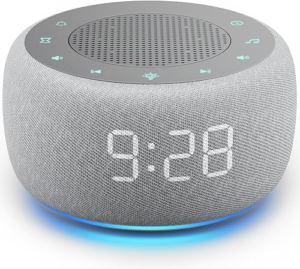
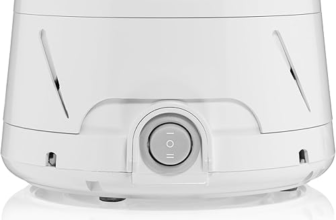
Phone apps are free and fine for travel. The loops are usually short and the speaker is small, so for nightly use at home a dedicated unit is worth the money. Mechanical fan machines like the Marpac Dohm only make white noise but they never loop. Digital units give you all three colours and more. Our buyers guide works through which suits which room.
Final Verdict
Disclosure: Some links in this article are affiliate links. We may earn a commission at no extra cost to you.
You might also like:
- Hatch Restore 3 vs Marpac Dohm Classic: Smart Sleep System vs Pure White Noise
- SNOOZ Smart White Noise Machine Review: Real Fan Sound for Deeper Sleep
- Contour Cervical Pillow vs Cooling Cervical Pillow: Memory Foam Neck Support Compared