





The Science of Sleep: How Your Sleep Cycle Affects Recovery and Performance

Update, October 2026: Hatch now sells the Restore 3 as its current model, about $170 on Amazon. Where this page mentions the Restore 2, look at the Restore 3 instead.
What You Need to Know
Sleep is far from a passive state of unconsciousness. Instead, it’s a complex physiological process involving distinct stages that cycle throughout the night. Each stage serves critical functions for physical recovery, cognitive processing, and overall health. Understanding how your sleep cycle works can help you optimize your rest and improve your waking performance.
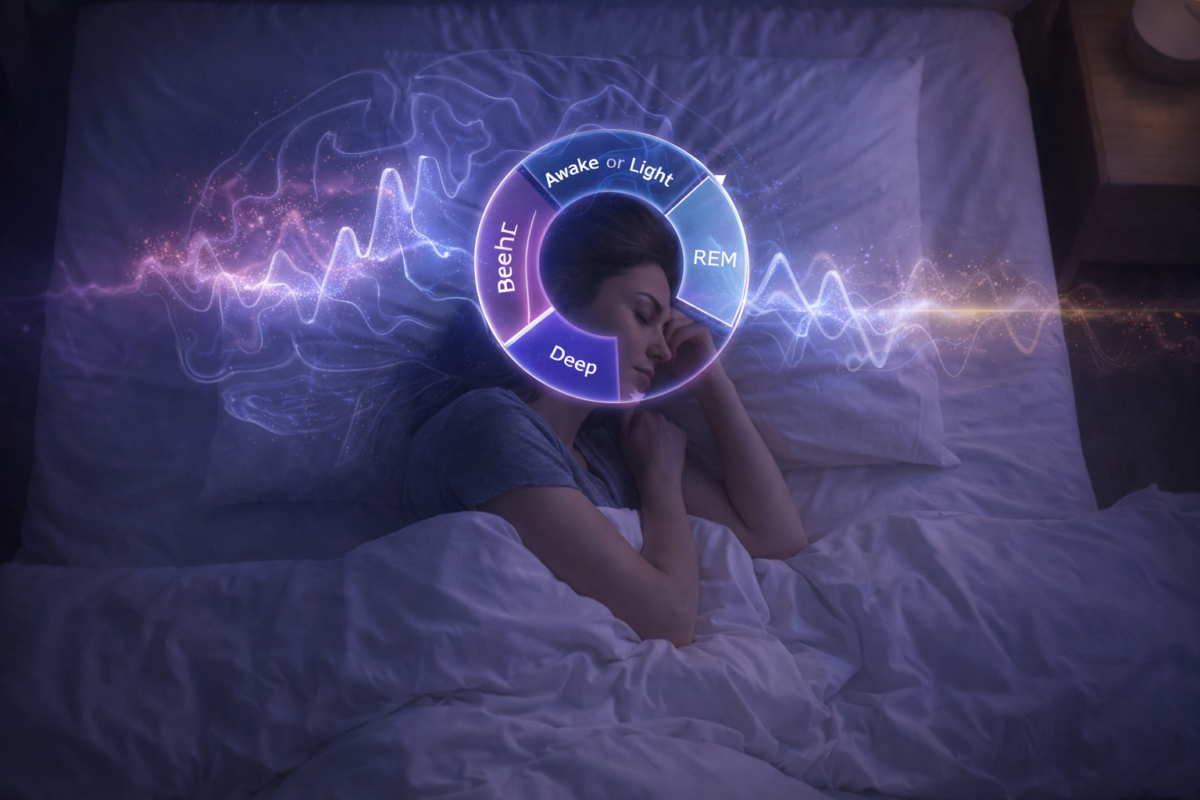
NREM sleep makes up approximately 75-80% of your total sleep time and is divided into three stages:
REM sleep accounts for about 20-25% of total sleep and is characterized by rapid eye movements, increased heart rate, and upgraded blood pressure. This is the stage where most vivid dreaming occurs. REM sleep is crucial for cognitive development, emotional regulation, and memory consolidation, particularly for procedural and emotional memories.
A full sleep cycle lasts approximately 90 minutes and progresses through stages N1, N2, N3, and back to N2 before entering REM sleep. The sequence then repeats. However, the structure of your sleep cycles changes throughout the night:
Most people complete 4-6 full cycles during a typical 7-9 hour night of sleep. This is why getting the full recommended amount of sleep is essential, cutting sleep short means missing out on critical REM cycles at the end of the night.
Deep NREM sleep is when the body does most of its physical repair work. During this stage:
Final Verdict
Disclosure: Some links in this article are affiliate links. We may earn a commission at no extra cost to you.
You might also like:
- Yogasleep Dohm Classic Review: The Original White Noise Machine Still Reigns Supreme
- Hatch Restore 2 Sound Machine, The Ultimate Sunrise Alarm and Sleep Companion
- Carepod Cube Plus X50V Review: A Humidifier You Can Actually Keep Clean