

The App Store has hundreds of sleep apps. Most are some combo of white noise, meditation, and a sleep tracker that works through your phone’s microphone. Most are also bad. We’ve compared the popular ones over the last year. Here’s what’s worth installing and what to delete.
The picks
- Best for falling asleep: Calm, the bedtime stories actually work
- Best for tracking: Sleep Cycle, phone-based, no wearable needed
- Best for white noise: myNoise, tons of customization, no subscription nonsense
- Best for kids: Moshi, bedtime stories and meditations made for kids
- Skip: Most of the “AI dream interpretation” apps and anything with binaural beats as the main feature
Calm
The big name. About $70 a year. The bedtime stories (Sleep Stories) are the killer feature. Stephen Fry reading something boring about lavender fields will put you out faster than melatonin if you’re an audio learner. They have over 500 of them now.
The meditation library is solid for getting into a calm state before sleep. The actual sleep tracking is meh, they don’t really do that, the focus is on falling asleep, not tracking what happens after.
The annoying bit: they push you to upgrade constantly. The free version is essentially useless. If you’re going to use Calm, just pay for the year.
Sleep Cycle
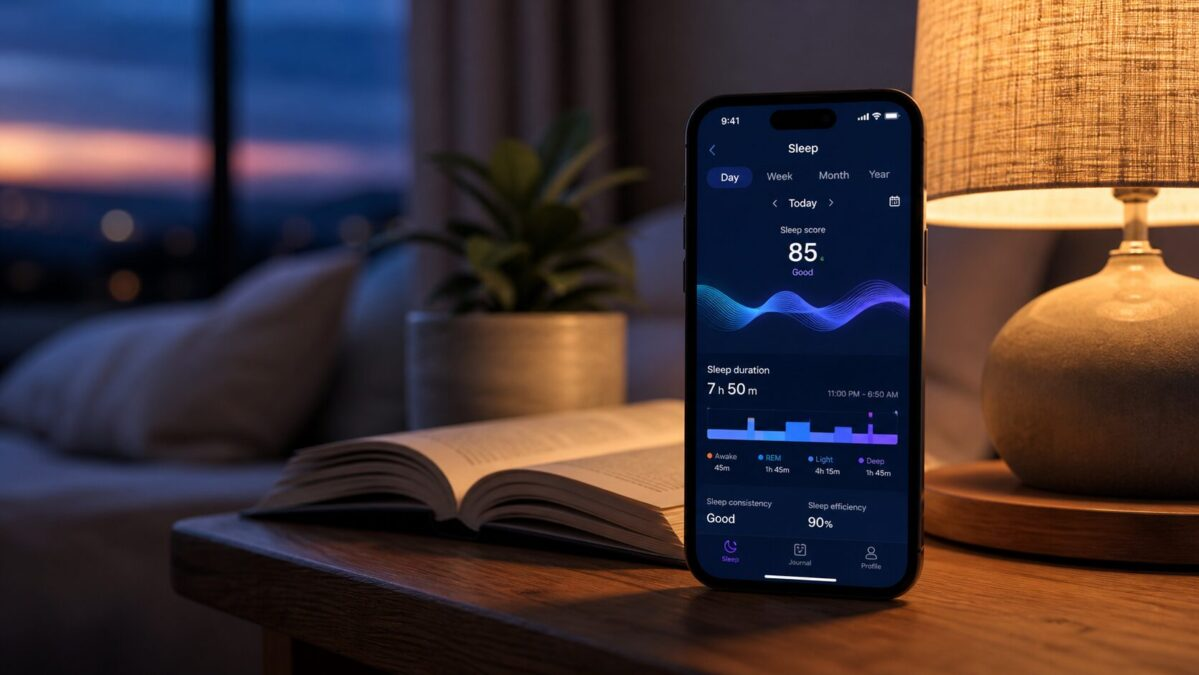
Free with $40/year premium. Uses your phone’s microphone (placed near you on the nightstand) to detect movement and breathing patterns. Tells you your sleep stages, restless periods, and snoring.
Surprisingly accurate compared to wearables. Not as good as Oura or Whoop, but for a free phone-based tracker it gets you 80% of the data. The “smart alarm” wakes you in your lightest sleep phase within a 30 minute window which feels much better than being yanked out of deep sleep.
The snore detection is genuinely useful for figuring out if you snore (you probably do, more than you think). The phone records short clips so you can hear the actual snoring.
myNoise
The white noise app for people who hate apps. Made by an audio engineer, no subscription, no ads, just sounds. Each generator has 10+ frequency sliders so you can customize exactly what you hear. Want rain heavy on the high end and soft thunder underneath? You can build it.
The free version has like 30 sound generators. The paid version has 200+ and unlocks the iOS shortcuts, but honestly the free version is more than enough for sleep purposes. Pay if you find yourself using it daily.
This is the one we’ve kept on our phone for 5 years. The brown noise generator is our default fall-asleep sound.
Pillow (Apple Watch users)
If you have an Apple Watch and you sleep with it, Pillow turns the watch’s data into much more useful sleep insights than the default Apple Sleep app. About $5/month.
It also has an audio recorder that catches snoring and sleep talking. The export feature lets you pull data into other apps if you’re tracking elsewhere.
Moshi (for kids)
If you have kids who fight bedtime, Moshi is the fix. Bedtime stories made specifically for younger kids, characters like a worried badger learning to sleep, calming colors, hypnotic narration. About $50/year.
Our 6-year-old falls asleep within 10 minutes of starting one. The kid-led mode plays for 30 minutes then auto-stops, which solves the “leaving the iPad on all night” problem.
Headspace
Calm’s main competitor. About $70/year. The meditation content is solid, the bedtime stories (Sleepcasts) are decent but not as good as Calm’s. Honestly if you’re picking between Calm and Headspace, just go with whichever voice you find more soothing for narration. They’re equivalent in features.
Headspace has more focus on workout/anxiety content, Calm has more sleep specific content. For purely sleep purposes, Calm.
What to skip
“Lucid dreaming” apps. The science on lucid dreaming is real but no app is going to consistently induce it. They’re mostly journals with notification systems.
Apps that are 80% binaural beats. The research on binaural beats for sleep is weak. They’re not harmful but they’re not the magic the marketing claims. White noise works better for most people.
Dream interpretation AI apps. They make up plausible sounding interpretations and charge you for it. Skip.
SleepIQ apps that come bundled with smart mattresses. The Sleep Number app, etc. They’re locked into their hardware and the data isn’t very useful or exportable.
A note on melatonin and apps that recommend it
Several sleep apps recommend melatonin as part of their sleep “programs.” If you’re going to take melatonin, take 0.3 to 0.5mg, not the 5 to 10mg the gummy bottles are dosed at. The high dose stuff actually disrupts your circadian rhythm worse than helping.
Better choice for most people: magnesium glycinate. Apps don’t push it because there’s no marketing budget behind a $20 mineral.
The free option that beats most paid apps
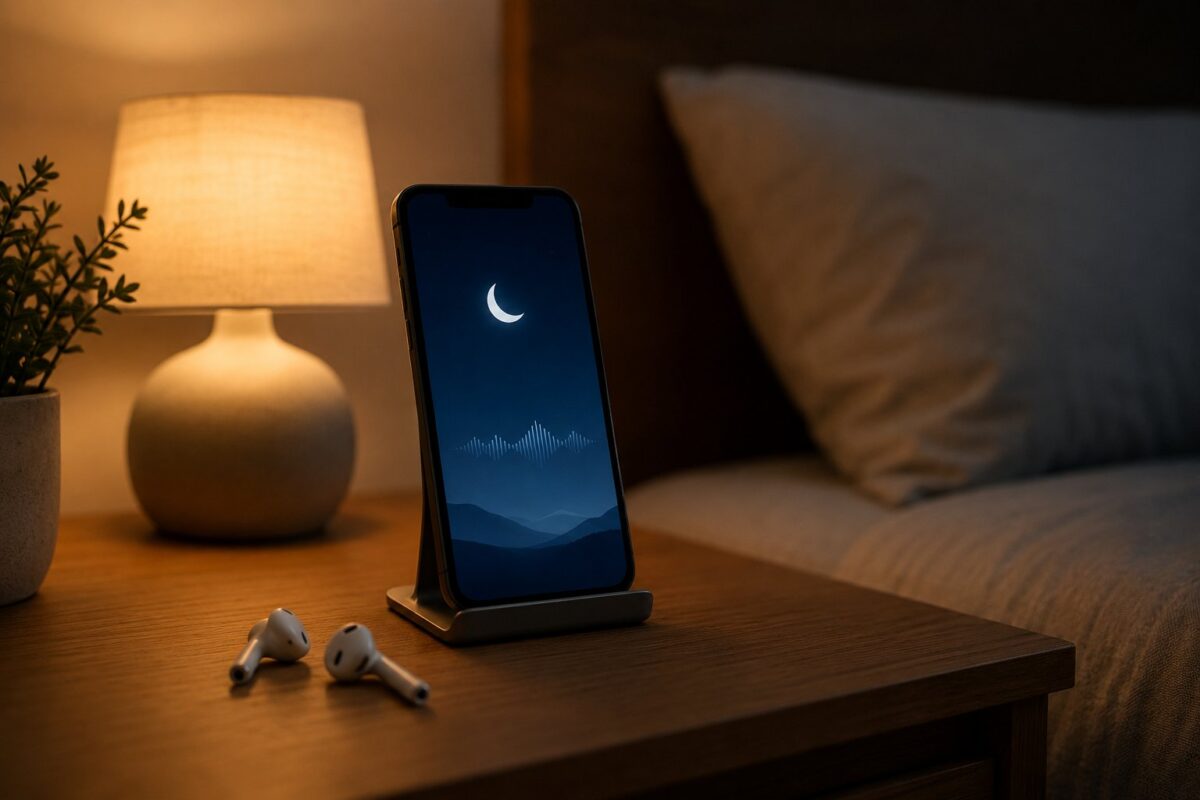
If you don’t want to spend any money: YouTube. Search “8 hour brown noise” or “rain sounds for sleep.” Pin a comfy speaker by the bed. Done. The audio quality is fine, there’s no subscription, and the variety is endless.
The downsides: ads (use a YouTube Premium account or download to a player) and the screen lighting up when ads come in.
If you only install one
myNoise. Free, no subscription, works forever, sounds great. The brown noise generator is the most useful sleep tool in our entire stack and it costs nothing.
You might also like:
- SnoozeBand Review 2026: Good Sleep Headphones You Can’t Buy on Amazon
- ZEEQ Smart Pillow Review 2026: What Happened to It, and What to Get Instead
- Therabody SmartGoggles 2nd Gen Review: A Face Massage That Puts You to Sleep
Browse all Sleep Tech & Trackers >