




White noise machines look simple but the gear behind that hiss varies a lot. Some loop a 30 second sample on repeat (your brain catches it within minutes). Some use real fans. Some are basically little speakers with a USB cable hanging off the back, no actual machine inside. The price range goes from $15 to $200 and the difference shows up the second you actually try to sleep with one. Heres how to figure out what you actually need before you buy.
Step 1: Pick Mechanical or Electronic
This is the first real fork in the road. Most buyers dont know its even a question.
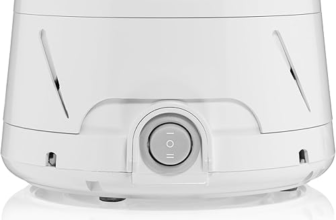
Mechanical machines have an actual fan inside spinning behind a chamber. The sound is the air, not a recording. SNOOZ and Marpac are the two big names here. The benefit is the noise has zero loop, ever, and the depth feels different. The catch is youre limited to one sound (the fan), it costs more (typically $80 to $130), and theres a moving part to wear out eventually.
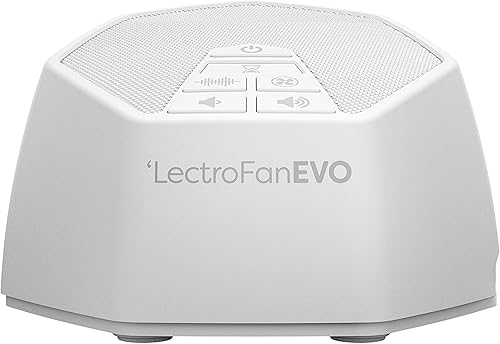
Electronic machines use either looped recordings or a non-looping algorithm. Cheap ones loop a sample, which the brain catches and starts ignoring after a couple weeks. Better electronic machines (LectroFan EVO is the gold standard) generate sound algorithmically so it never repeats. These are smaller, cheaper, and offer 20 to 30 sound options.
Quick rule. If you only want fan-style white noise and budget isnt the issue, go mechanical. If you want flexibility (white, pink, brown, fan, ocean, rain) or you travel with it, go non-looping electronic.
Step 2: Decide on Looping vs Non-Looping
This matters more than people realize. A looped recording is fine for the first week. After that, the brain learns the loop edge (that little click or shift where the file restarts) and starts hooking onto it instead of tuning out. Once your brain is hunting the loop, the machine has stopped working for you.
Non-looping machines either use a real moving part (fan) or a non-repeating algorithm. Theyre worth the upgrade if you plan to use the thing every night for the next few years. If youre using it for a hotel trip or a weekend, looping is fine.
For more on this: LectroFan EVO Review covers the algorithm in detail.
Step 3: Match the Sound to Your Sleep Style
Not all white noise sounds the same. The labels on the box are sort of useless. Heres whats actually different.
White noise contains every audible frequency at equal energy. Sounds like static or hiss. Best at masking sharp, sudden sounds (a slamming door, a barking dog).
Pink noise is white noise weighted toward lower frequencies. Sounds smoother, less hissy. Easier on the ears for long sessions. Some research suggests it may improve deep sleep, but the studies are small.
Brown noise goes even deeper. Heavy bass, muffled rumble, like distant thunder or wind in a basement. Best for masking traffic, talking voices, and other low frequency disturbance. Big trend right now and for good reason.
Fan sound is technically pink noise generated by an actual fan. Has a tactile quality the others dont match.
If you don’t know which to pick, brown noise is the safest starting point for most adults. White Noise vs Brown Noise for Sleep has the research.
Step 4: Volume Range and Output Power
This is where cheap units fall apart. A weak speaker maxes out at about 60 decibels which is fine for a quiet bedroom but useless if you live near a busy street. Aim for a unit that does at least 70db at full volume so you have headroom.
Smaller is not better here. The bigger the speaker, the cleaner the sound at higher volumes. A 2 inch driver crammed into a $15 unit will sound thin and tinny when you crank it up. The 4 inch driver in a LectroFan EVO actually keeps depth at full volume.
Step 5: Loop-Free Timer + Auto-Off
A few features that actually matter day to day:
- Continuous playruns all night, no auto shutoff. Most decent machines have this. Avoid any unit that only runs in fixed timer blocks.
- Memory of last settingturns on at the same volume and sound you used last night. Sounds trivial, makes a real difference if youre half asleep when you hit the button.
- Easy controlsphysical knobs beat tiny buttons in the dark every time. Apps for white noise machines are unnecessary unless youre using it as a baby monitor.
- USB or AC powerAC plug is simpler at home. USB is essential if you travel, since you can run it off a power bank in hotels with weird outlets.
Step 6: Size and Portability
Decide whether the machine lives on the nightstand forever or comes with you. Travel-friendly units like the HoMedics Sound Sleep Go or the smaller LectroFan models fit in a toiletry bag. Mechanical fan machines (SNOOZ, Dohm) are bedroom-only because they need to plug in, are too bulky for a carry on, and the spinning fan is awkward to pack.
If you only need it at home, ignore size and prioritize sound quality. If you travel monthly or more, a compact USB-powered unit pays for itself the first trip you sleep through a noisy hotel.
Step 7: Set Your Budget Realistically
Heres what each price tier actually gets you:
- Under $25looped recordings, small speakers, basic functionality. Fine as a starter or for travel. The HoMedics SoundSleep at $22 is the surprise winner here.
- $25 to $50bigger speakers, more sounds, often a night light. Brown Noise machines in this range are great for bedrooms with kids or if you like a soft glow.
- $50 to $100non-looping algorithms, better drivers, flagship features. The LectroFan EVO and Marpac Dohm Classic both sit here.
- $100+premium mechanical fan units (SNOOZ Pro), smart features, app control. For most people this is more than they need, but if youre a light sleeper in a noisy environment, the upgrade is real.
My Quick Recommendations
If you want me to skip the steps and just tell you what to buy:
- Best overall pick: LectroFan EVOnon-looping, 20 sounds, solid build, around $60.
- Best budget pick: HoMedics SoundSleep, at $22, hard to beat for occasional use.
- Best for brown noise: the dedicated Brown Noise Sound Machine with night light works really well for kids rooms or anyone who specifically wants that low frequency rumble.
- Best for travel: any USB powered LectroFan model that fits a toiletry bag.
- If you want pure fan sound: SNOOZ or Marpac Dohm. Worth the higher price if loops drive you up the wall.
For the full breakdown of how the top picks compare head to head, see LectroFan EVO vs HoMedics SoundSleep, or browse the 5 Best Sound Machines for Sleep in 2026 roundup.
Frequently Asked Questions
Do white noise machines actually help you sleep better?
Whats the difference between white, pink, and brown noise?
Are mechanical fan machines really better than electronic ones?
Will a white noise machine work for my baby?
Can I just use a fan instead of a sound machine?
How loud should a white noise machine be?
Bottom Line
Pick mechanical if you only care about pure fan sound and budget isnt tight. Pick non-looping electronic (LectroFan EVO is the standard) if you want flexibility or travel a lot. Avoid cheap looped machines for daily use, your brain will catch the loop within a couple weeks and you’ll go shopping again. The right machine, properly sized for your room, is one of the cheapest sleep upgrades available.
You might also like:
- LectroFan EVO vs HoMedics SoundSleep
- LectroFan EVO Review
- 5 Best Sound Machines for Sleep in 2026
- White Noise vs Brown Noise for Sleep