



Therabody SmartGoggles 2nd Gen Review: A Face Massage That Puts You to Sleep

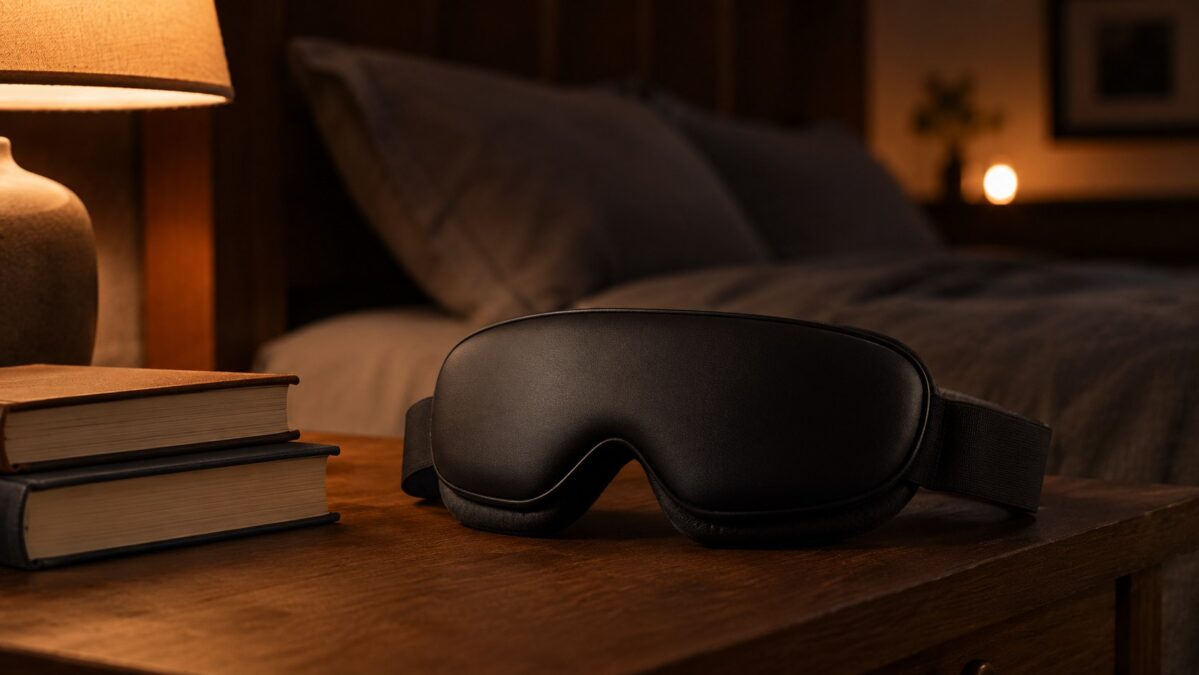
Therabody makes the Theragun, the massage gun half the gyms in America seem to own. The SmartGoggles 2nd Gen shrink that same idea onto your face: heat, gentle squeezing, and a pulse sensor packed inside a blackout mask. We went through the specs and owner reviews to find out whether a $217 eye massager can earn nightstand space. Short version: it did, with two caveats.
Who Should Buy It (and Who Should Skip It)
Buy it if your problem is switching off. The people this helps most get into bed wired: tension headache types, screen workers with tired eyes, anyone whose brain treats the pillow like a meeting room. It compresses a 45 minute restless wind down into 15 structured minutes.
Skip it if you hate pressure on your face, share a bed with someone the hum would bother, or mainly need light blocking. A simple mask from our blackout sleep mask roundup handles that job for a tenth of the cost. Side sleepers hoping to wear it all night will be disappointed too. That use case just isn’t what this is.
What We Like
- Heat plus temple kneading eases eye strain after long screen days
- SmartRelax pacing slowed our pulse enough to feel the difference
- Blocks every bit of light
- Runs from buttons on the mask, no phone needed
- Folds flat for a suitcase
What Could Be Better
- $217 is steep for a 15 minute a day gadget
- Motor hum is audible in a dead quiet room
- Too bulky to sleep in, so it’s a wind down tool only
- Face pad shows skin oil fast and is hand wash only
Quick Specs at a Glance
| Brand | Therabody |
| Model | SmartGoggles (2nd Generation) |
| Price | $217.79 |
| Weight | 13.7 oz |
| Dimensions | 7.72 x 5.04 x 4.61 inches |
| Battery Life | Up to 150 minutes per charge |
| Charging | USB-C |
| Treatment Modes | 3 (SmartRelax, headache relief, sleep prep) |
| Care | Hand wash only |
| Amazon Rating | 4.1 / 5 (525 ratings) |
Frequently Asked Questions
Can you sleep with the SmartGoggles on all night?
How loud is the massage motor?
Do you need an app to use it?
How is this different from a cheap heated eye mask?
Final Verdict
For owners who like it, the SmartGoggles 2nd Gen becomes a nightstand regular, even at $217. Heat plus temple massage shut down a racing head faster than anything else in this category, and’ve seen this year. The SmartRelax pulse pacing turned out to be a real feature. Know what you’re buying though: a 15 minute wind down tool, not a mask you sleep in. If you want all night blackout, get the Manta Pro and pocket the difference.
Check Price on AmazonYou might also like:
- Manta Sleep Mask Pro Review: True 100% Blackout That Actually Delivers
- Best Sleep Masks for Total Blackout in 2026: 5 Worth Buying
- Best Sleep Products for Shift Workers in 2026
Browse all Sleep Tech & Trackers >
As an Amazon Associate, we earn from qualifying purchases.Update: we also reviewed the SnoozeBand sleep headphones, another sleep audio option people keep searching for.