



Update, October 2026: Hatch now sells the Restore 3 as its current model, about $170 on Amazon. Where this page mentions the Restore 2, look at the Restore 3 instead.
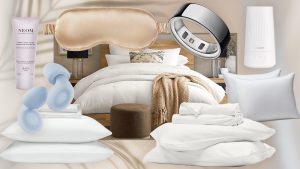
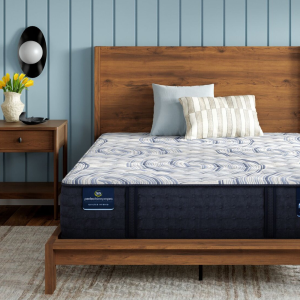
Your bedroom environment has a massive impact on sleep quality, often more than the mattress you sleep on. Temperature, light, sound, and air quality all play critical roles in how quickly you fall asleep, how deeply you sleep, and how refreshed you feel in the morning. This guide walks you through every element of an optimized sleep environment and the best products to achieve it.
Temperature: The Most Underrated Sleep Factor
Research consistently shows that the ideal bedroom temperature for sleep is between 60-67°F (15-19°C). Your core body temperature naturally drops 1-2°F as you fall asleep, and a cool room helps help this process. Sleeping in a room that’s too warm is one of the most common, and most easily fixable, causes of poor sleep quality.
Budget fix: Simply turn down your thermostat at night, use lighter bedding, or open a window. A basic fan provides both cooling airflow and gentle white noise.
Premium solution: The ChiliPad Cube Sleep System ($499) circulates temperature-controlled water through a mattress pad, letting you set your bed temperature between 55-115°F. It’s a huge upgrade for hot sleepers and couples who prefer different temperatures, each side can be controlled independently. Our review found it reduced the time to fall asleep by an average of 15 minutes.
Light Control: Why Darkness Matters
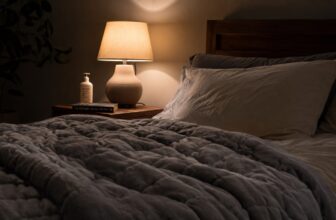
Even small amounts of light can suppress melatonin production and disrupt your circadian rhythm. A study published in PNAS found that sleeping with even dim light (like a nightlight or standby LEDs) increased heart rate and impaired glucose metabolism during sleep. Total darkness isn’t only a preference, it’s a physiological need for best sleep.
Blackout curtains are your first line of defense. The NICETOWN Blackout Curtains effectively block 95-99% of outside light, including streetlights and early morning sun. They also provide thermal insulation, helping maintain a cooler room temperature in summer. At under $30 for a pair, they’re one of the highest-ROI sleep investments you can make.
Sleep masks are the portable alternative. The Manta Sleep Mask Pro ($39) uses adjustable eye cups that create a zero-pressure seal around your eyes, true 100% blackout without any uncomfortable pressure on your eyelids. Perfect for travel, naps, or when you can’t fully darken your room.
Sunrise alarm clocks flip the light equation in the morning. Instead of a jarring alarm, devices like the Hatch Restore 2 gradually increase light over 15-30 minutes, simulating a natural sunrise. This gently brings you out of deep sleep before your alarm sounds, so you wake up feeling alert rather than groggy.
Sound: Masking Disruptions
Sound disruptions, traffic, neighbors, a snoring partner, are among the top causes of fragmented sleep. Even sounds that don’t fully wake you can shift your sleep stage, pulling you out of restorative deep sleep into lighter stages.
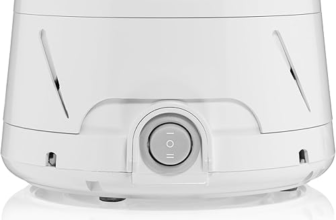
White noise machines work by producing a consistent background sound that masks sudden noise changes. This doesn’t make your room quieter, it makes the acoustic environment more uniform, so a car horn or barking dog is less likely to jolt you awake. The Hatch Restore 2 combines a premium sound machine with sunrise alarm functionality, making it a versatile bedside companion.
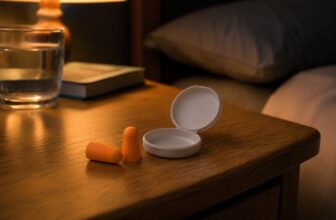
Earplugs are the simplest solution for extreme noise situations. Foam earplugs reduce noise by 25-33 dB, enough to make a snoring partner almost inaudible. If you worry about missing your alarm, pair earplugs with a vibrating alarm or sunrise light.
Bedding: The Comfort Layer
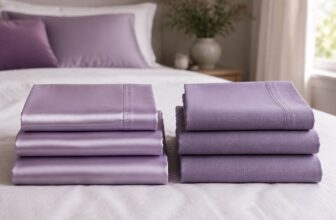
Your pillow and bedding play a supporting role in sleep quality that’s easy to overlook. A pillow that doesn’t properly support your neck can cause morning stiffness and poor spinal alignment, while sheets that trap heat can raise your skin temperature and cause restlessness.
Pillows: The Coop Home Goods Original Loft Pillow is our top pick because of its adjustable fill, you can add or remove shredded memory foam to dial in the exact loft and firmness you need. Side sleepers need a thicker, firmer pillow; back sleepers need medium loft; stomach sleepers need a thin, soft pillow.
Weighted blankets: The YnM Weighted Blanket uses deep pressure stimulation to promote relaxation and reduce anxiety. Research suggests that weighted blankets can increase serotonin and melatonin production while decreasing cortisol. Choose a blanket that’s approximately 10% of your body weight for best effect.
Putting It All Together: The Ideal Sleep Setup
The perfect sleep environment doesn’t require spending thousands of dollars. Start with the basics that deliver the biggest impact: darken your room (blackout curtains or a sleep mask), cool it down (thermostat adjustment or a fan), and mask noise disruptions (white noise machine or earplugs). Then gradually add upgrades like temperature-controlled bedding, a quality pillow, and a sunrise alarm clock as your budget allows.
Recommended Products
Explore our detailed reviews of every product mentioned in this guide: ChiliPad Cube, Manta Sleep Mask Pro, Hatch Restore 2, NICETOWN Blackout Curtains, Coop Home Goods Pillow, and YnM Weighted Blanket. Or browse our full Best Sleep Gadgets & Accessories roundup.