






A good mattress is the single most impactful investment you can make for your sleep quality. But with hundreds of options, memory foam, hybrid, latex, innerspring, and prices ranging from $200 to $5,000+, the buying process can feel paralyzing. This guide breaks down exactly what to look for based on your sleep position, body type, and budget so you can make a confident decision.
Mattress Types Explained
Memory Foam
Memory foam mattresses contour closely to your body shape, providing excellent pressure relief for shoulders, hips, and joints. They’re great at motion isolation, meaning your partner’s tossing won’t wake you up. The trade-off: traditional memory foam can trap heat, though newer gel-infused and open-cell foams have noticeably improved breathability. Budget-friendly options like the Lucid 10-Inch Memory Foam Mattress offer solid comfort starting around $289.
Hybrid
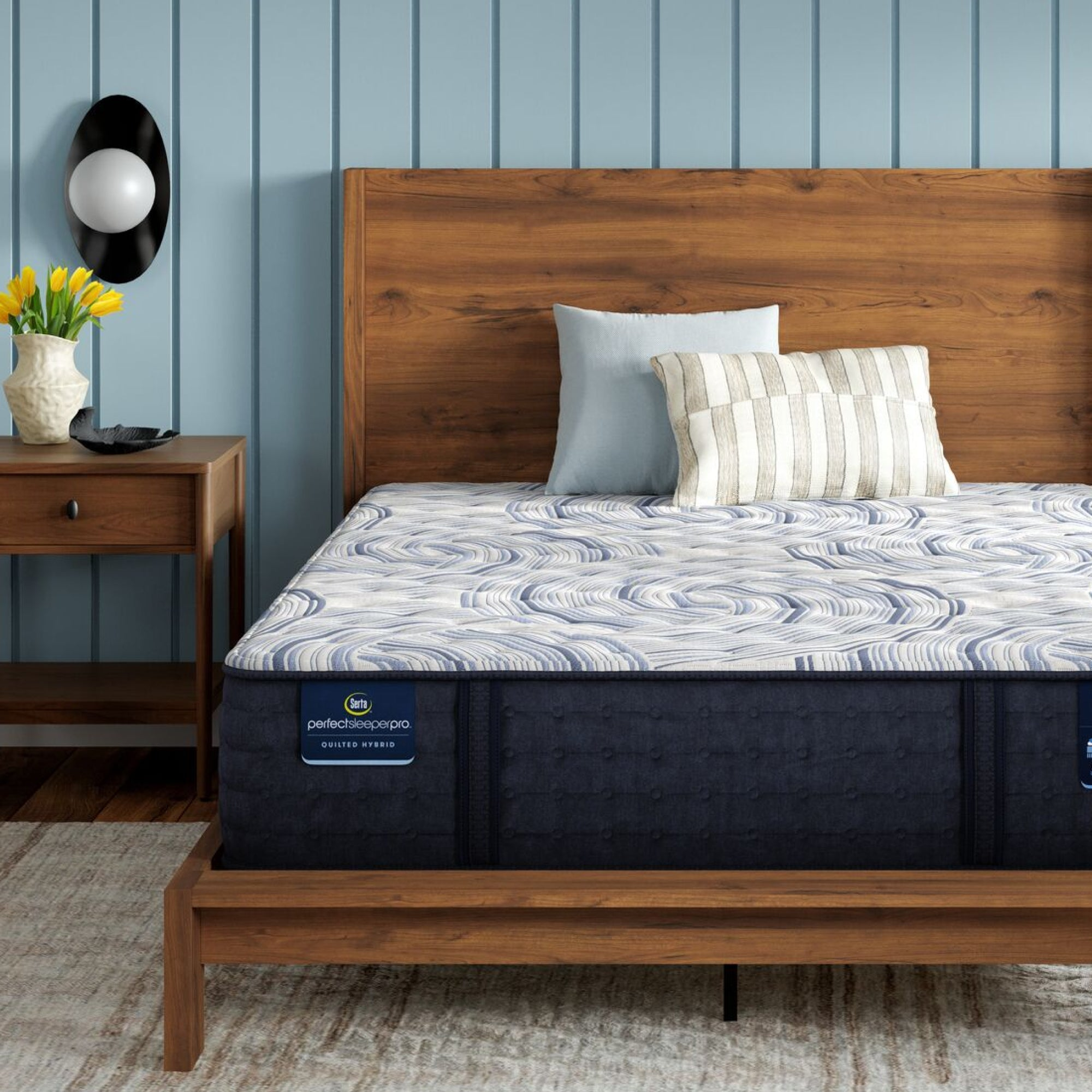
Hybrid mattresses combine a foam comfort layer with an innerspring coil support system, giving you the best of both worlds, contouring pressure relief on top with responsive, bouncy support underneath. They tend to sleep cooler than all-foam mattresses thanks to airflow through the coil layer. The Helix Midnight Luxe is our top hybrid pick, particularly for side sleepers who need that perfect balance of cushioning and support.
Innerspring
Traditional innerspring mattresses rely on steel coils for support, with a thin comfort layer on top. They’re the most breathable option and offer a classic “bouncy” feel that many sleepers prefer. However, they typically provide less pressure relief and more motion transfer than foam or hybrid options. Best for: back sleepers, stomach sleepers, and those who prefer a firmer, more traditional sleep surface.
Latex
Natural latex mattresses are durable, responsive, and naturally hypoallergenic. They offer a unique feel, buoyant and supportive rather than the “sinking in” sensation of memory foam. Latex is also one of the most breathable mattress materials available. The downside: they tend to be heavier and more expensive than comparable foam mattresses.
Choosing by Sleep Position
Side sleepers need a softer to medium-firm mattress that cushions pressure points at the shoulders and hips. Look for at least 2-3 inches of foam comfort layer. Our top pick: Helix Midnight Luxe.
Back sleepers need medium to medium-firm support that keeps the spine aligned while providing some contouring for the lumbar region. Both memory foam and hybrid mattresses work well for back sleepers.
Stomach sleepers need a firmer surface to prevent the hips from sinking too deep, which can strain the lower back. Look for firm memory foam or innerspring mattresses with minimal pillow-top.
Combination sleepers who change positions throughout the night benefit from responsive hybrid mattresses that make it easy to move around without feeling “stuck.”
Key Specs That Actually Matter
Firmness scale: Most mattresses are rated on a 1-10 scale, with 1 being ultra-soft and 10 being rock-hard. Most people are comfortable between 5 (medium) and 7 (medium-firm). Side sleepers should aim for 4-6, back sleepers for 5-7, and stomach sleepers for 6-8.
Thickness: Standard mattresses are 10-12 inches thick. Thinner mattresses (8-10″) work fine for lighter individuals but may bottom out for heavier sleepers. Those over 200 lbs should look for 12″+ mattresses with reinforced support layers.
Trial period: Most online mattress companies offer 90-365 night sleep trials. This is essential, you can’t truly evaluate a mattress in a 15-minute showroom visit. Take advantage of the full trial period and give your body at least 30 nights to adjust.
Warranty: Look for at least a 10-year warranty. Most quality mattresses offer 10-15 year warranties covering manufacturing defects and sagging beyond a certain depth (typically 1-1.5 inches).
Budget Guide
Under $300: Budget-friendly foam mattresses that offer decent comfort. Great for guest rooms, kids, or temporary setups. Our pick: Lucid 10-Inch Memory Foam.
$500-$1,000: Mid-range options with better materials, cooling features, and longer lifespans. You’ll find excellent hybrid and premium foam options here.
$1,000-$2,000: Premium mattresses with advanced features like zoned support, luxury materials, and superior edge support. Our pick: Helix Midnight Luxe ($1,373).
Our Full Reviews
For detailed research and head-to-head comparisons, read our complete Best Mattresses for Side Sleepers guide and individual reviews of the Helix Midnight Luxe and Lucid 10-Inch Memory Foam.