



A heated mattress pad is one of those upgrades that sounds minor until the first cold night you use one. Instead of climbing into a freezing bed and waiting twenty shivering minutes for your body to warm the sheets, you flip a switch and the bed is toasty before you get in. The catch is that they vary a lot, from $35 throwaways to $150 dual zone units that last years, and the cheap ones can quit on you mid winter. Here’s how to actually pick a good one.
Heated Pad, Heated Topper, or Electric Blanket?
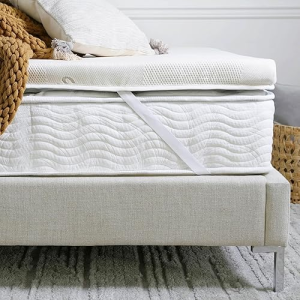
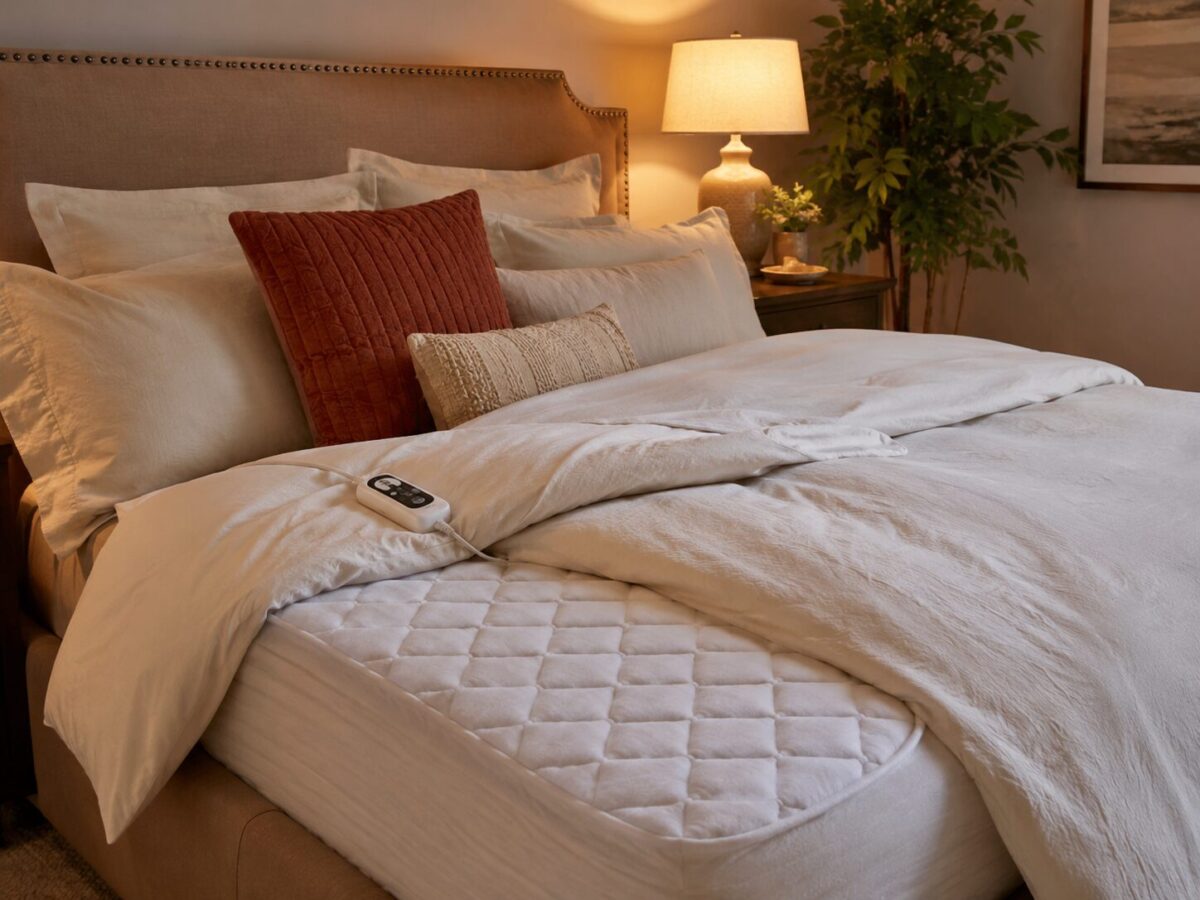
People mix these three up constantly, so quick clarity first. A heated mattress pad sits under your fitted sheet and warms you from below, which most folks find more even and comfortable than heat coming down on top. An electric blanket goes over you, so it warms the air around you but leaves the mattress cold. A heated topper is thicker, adds a cushioning layer, and warms, all in one, but it costs more and changes how your bed feels.
For most sleepers the under sheet pad hits the right balance of warmth, price, and a setup you forget is even there. If your mattress already feels good and you only want heat, a pad is the pick. If your mattress is also tired and you want cushioning, look at a heated topper or read our mattress topper buyer’s guide first.
Dual Zones Matter More Than You Think
If you share a bed, single zone heating is a recipe for arguments. One person runs hot, the other’s always cold, and a single controller means somebody loses. Dual zone pads split the heating into left and right halves with separate controllers, so each side does its own thing. It usually adds ten or fifteen bucks and it’s worth every cent for couples. Sleeping solo? Single zone is fine and you can skip the upcharge.
The Controller Is the Part You’ll Actually Touch
This is where cheap pads get annoying. Look for a preheat setting so the bed warms before you get in. An auto shutoff timer matters too, both for safety and so you’re not roasting at 3am. Better controllers give you eight or ten heat levels instead of three, plus a timer you can set from one to twelve hours. Backlit buttons are a small thing that you’ll appreciate when you’re half asleep and can’t find the dial in the dark. Some 2026 models pair with an app or a smart plug, which is handy but honestly not essential.
Wires, Heat, and Safety
The heating wires are the heart of the thing. Cheaper pads use thicker wires you can feel as ridges under the sheet, which drives some people nuts. Premium pads run thin micro wires you won’t notice at all. If you’re sensitive to electromagnetic fields, look for low EMF wiring, several brands advertise it now.
On safety, don’t skip this part. Any pad you buy should carry a UL or ETL certification and have overheat protection that cuts power if a section gets too hot. Auto shutoff after a set number of hours is standard on good units and you want it. Skip no name brands with zero certification listed, a heating element you sleep on all night is not the place to gamble fifteen dollars.
Fit, Fabric, and Washing
Get the pocket depth right or the pad will pop off the corners every time you move. Measure your mattress height including any topper, then check the pad’s listed pocket depth, lots of modern mattresses are 14 inches or taller and a shallow pad just won’t stay put. Fabric wise, microfleece and plush feel cozy, while cotton sleeps a little cooler if you tend to overheat once the warmth kicks in.
Washing is the part people forget. Most heated pads are machine washable as long as you disconnect the controller first, but check the care label before you buy, because a few older designs aren’t, and a pad you can’t clean gets gross fast. If you want a sense of how a quality non heated pad is built and washes, our CozyLux mattress pad review and the Sleep & Beyond myPad review are good reference points on materials.
Quick Buying Checklist
- Dual zone controllers if you share the bed
- Preheat plus an auto shutoff timer
- Pocket depth that matches your mattress height
- UL or ETL safety certification and overheat protection
- Thin micro wires if you don’t want to feel ridges
- Machine washable with a detachable controller
Nail those six and you’ll dodge the stuff that makes people return these. A heated pad pairs nicely with a cool dark room too, so if your bedroom gets morning light, our blackout curtains guide is worth a look while you’re at it.
Frequently Asked Questions
Is a heated mattress pad safe to leave on all night?
Heated mattress pad or electric blanket, which is better?
Will it work with a memory foam mattress?
How much electricity does one use?
You might also like:
Want heating and cooling in one device? Our BedJet 3 review covers a system that warms the bed in seconds and cools hot sleepers in summer.