


The sleep aid aisle is full of magic-sounding claims and very little science. Most “sleep gummies” rely on vibes and marketing. Here are the ten that actually have peer-reviewed research behind them, ranked by strength of evidence.
Quick Jump
Melatonin
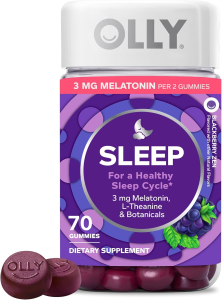
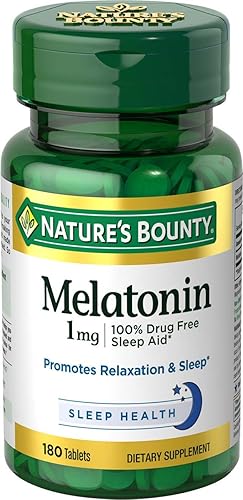
Melatonin works, but not how most people use it. The actual evidence shows it shifts your sleep timing (helpful for jet lag, shift work) more than it acts as a sedative. Effective dose: 0.3 to 1 mg , NOT the 5-10 mg most products contain. Lower doses work better.
Magnesium glycinate
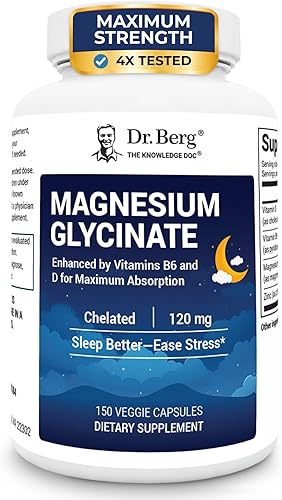
Magnesium deficiency is genuinely common, and supplementing improves sleep quality, especially in older adults. Glycinate form is best absorbed and easiest on the stomach. Dose: 200 to 400 mg in evening.
L-theanine
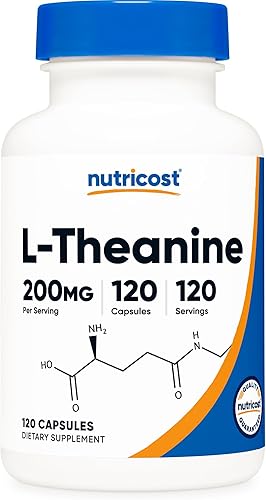
An amino acid found in green tea. Promotes relaxation without sedation. Studies show improved sleep onset and quality, especially when paired with stress. Dose: 200 mg , can be taken nightly.
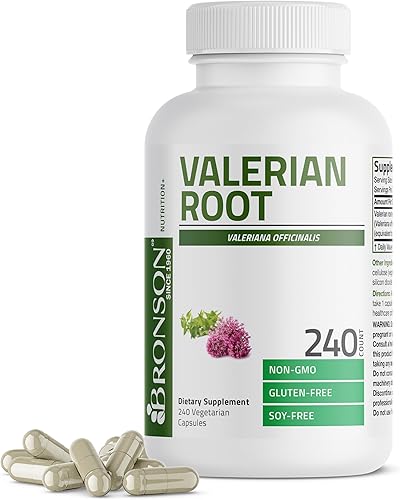
Valerian root
One of the older sleep herbs that actually has decent research behind it. Reduces sleep onset latency and improves overall quality in chronic insomnia studies. Dose: 300 to 600 mg root extract. Smells weird.
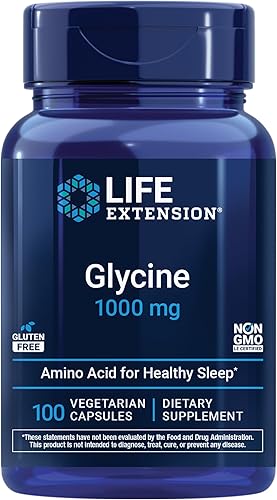
Glycine
An amino acid that lowers core body temperature, mimicking what your body does to initiate sleep. Studies show improved sleep quality and reduced fatigue the next day. Dose: 3 g before bed.
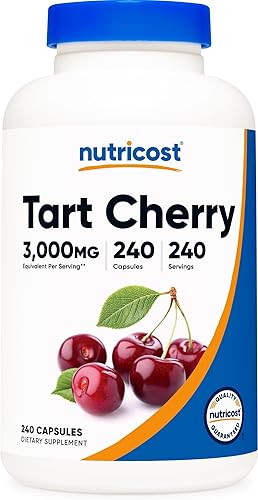
Tart cherry extract
Naturally contains melatonin and anti-inflammatory compounds. Studies show modestly improved sleep duration. Useful for athletes especially, since it overlaps with recovery benefits. Dose: 8 oz juice or 480 mg extract.
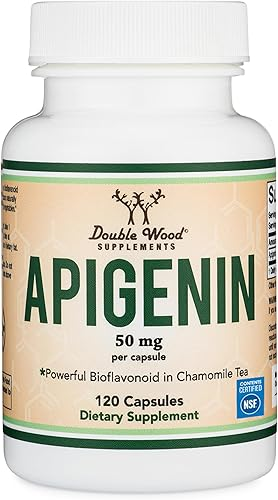
Apigenin
The active compound in chamomile, often sold standalone. Mild but real sedative effect. Dose: 50 mg evening.
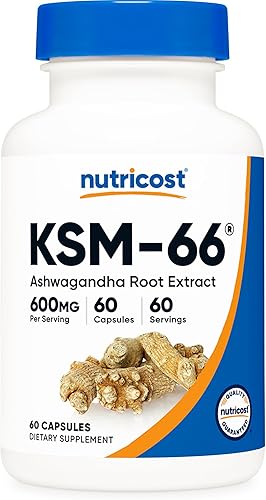
Ashwagandha
Adaptogenic herb with mounting evidence for stress and sleep. Doesn’t sedate, but reduces cortisol, which often helps with stress-driven insomnia. Dose: 300 to 600 mg standardized extract.
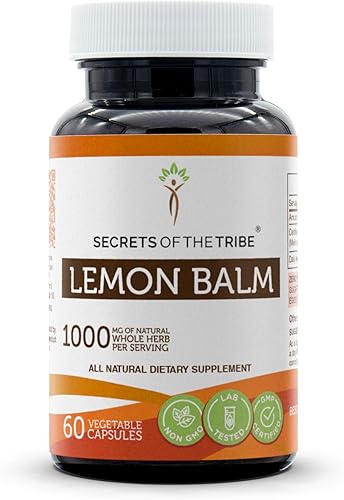
Lemon balm
Long-used herbal remedy that has small-scale studies showing reduced anxiety and improved sleep. Often combined with valerian. Dose: 300 to 600 mg extract.
A note on CBD
The research is still maturing, but moderate-quality studies show CBD helps with anxiety-driven sleep problems. Doesn’t make you high. Dose ranges widely: 25 to 100 mg . Buy from a brand with third-party testing. No card for this one since Amazon doesnt carry actual CBD products. If you go this route, buy from a brand that publishes third party lab results.
What we’d skip
“Sleep gummies” with random proprietary blends. The doses are usually too low. 5-HTP for sleep specifically. The evidence isn’t there, and there are interaction concerns with antidepressants. Diphenhydramine (Benadryl, ZzzQuil). Works short-term but builds tolerance fast and is linked to dementia risk in older adults with regular use. “Adrenal cocktail” supplements. Mostly placebo + a lot of vitamin C.
The bigger picture
Supplements help at the margins. The real sleep heavy lifters are sleep schedule consistency, bedroom temperature, evening alcohol limits, and managing daytime stress. More on what actually works . If insomnia persists, CBT-I (cognitive behavioral therapy for insomnia) outperforms every supplement on this list. You might also like: 9 Sleep Myths the Science Disagrees With Why Do I Wake Up at 3am? The Science of Sleep Cycles Browse all Sleep Supplements > Disclosure: Some links in this article are affiliate links. We may earn a commission at no extra cost to you.
As an Amazon Associate, we earn from qualifying purchases.You might also like:
Browse all Sleep Supplements >
Disclosure: Some links in this article are affiliate links. We may earn a commission at no extra cost to you.