



Update, October 2026: Hatch now sells the Restore 3 as its current model, about $170 on Amazon. Where this page mentions the Restore 2, look at the Restore 3 instead.
You can’t improve what you don’t measure. Sleep trackers have evolved from basic step-counting wristbands into sophisticated health monitors that can detect sleep stages, track heart rate variability, measure blood oxygen levels, and even identify sleep disorders. But which type of tracker is right for you? This guide covers everything from wearable rings to under-mattress pads so you can make the best choice for your sleep goals.
Types of Sleep Trackers
Smart Rings
Examples: Oura Ring Gen 3 ($299) | Best for: full tracking with minimal bulk
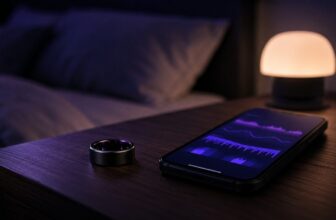
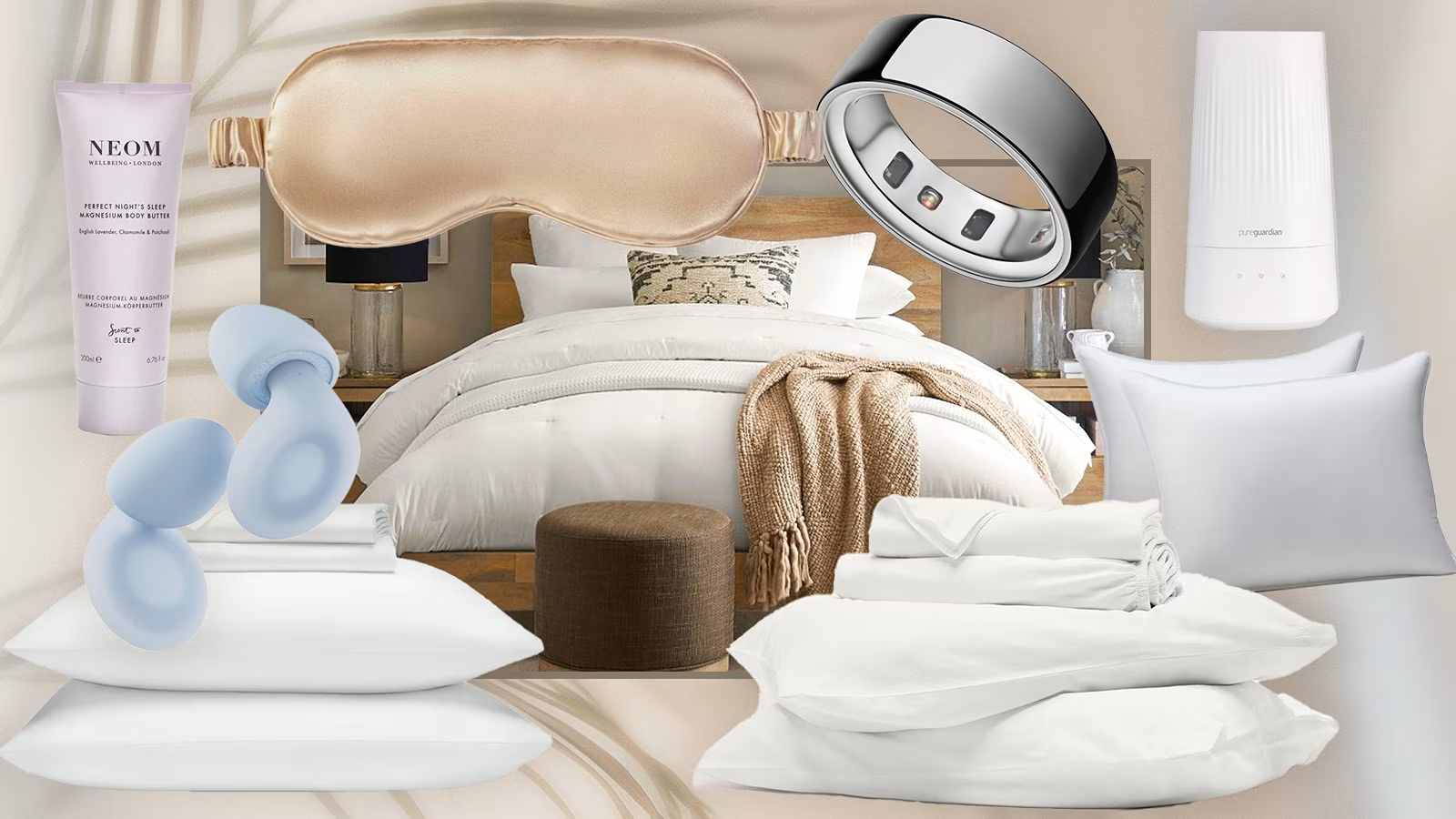
Smart rings are the most unobtrusive wearable sleep trackers available. Worn on your finger, they use photoplethysmography (PPG) sensors to measure heart rate, heart rate variability (HRV), blood oxygen (SpO2), and body temperature, all while you sleep. The Oura Ring Gen 3 is the current gold standard, offering detailed sleep stage analysis, a daily “Readiness Score,” and up to 7 days of battery life. The main trade-off is the subscription requirement ($5.99/month) for full feature access.
Under-Mattress Sensors
Examples: Withings Sleep Tracking Pad ($99) | Best for: People who don’t want to wear anything to bed
These thin sensor strips slide under your mattress and track sleep through ballistocardiography, detecting the tiny vibrations your heartbeat and breathing create through the mattress. They track sleep cycles, heart rate, snoring, and even breathing disturbances that could indicate sleep apnea. Setup is simple: just slip it under your mattress and forget about it. No charging required (they plug into a wall outlet). The Withings Sleep Pad also doubles as a smart home trigger, it can automatically turn off your lights when you get into bed.
Smartwatches and Fitness Bands
Examples: Apple Watch, Fitbit, Garmin | Best for: People who want all-day health tracking plus sleep
If you already wear a smartwatch or fitness band, you likely have a capable sleep tracker on your wrist. Modern smartwatches offer sleep stage detection, SpO2 monitoring, and smart alarm features that wake you during light sleep. The downside: most people find watches uncomfortable to sleep in, and you need to find time to charge them (usually while you shower). Battery life varies widely, Apple Watch needs daily charging, while Garmin devices can last 1-2 weeks.
Bedside Devices
Examples: Hatch Restore 2 ($169) | Best for: Building better sleep habits and routines
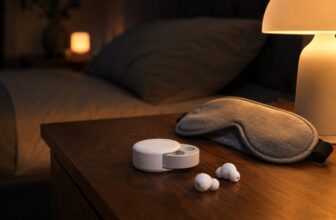
Bedside sleep devices combine sleep tracking with active sleep improvement features like sound machines, sunrise alarms, and wind-down routines. The Hatch Restore 2 doesn’t track biometrics directly, but it monitors your sleep and wake times while providing the environmental cues that help you fall asleep faster and wake up more naturally. Think of these as sleep coaches rather than just trackers.
What Metrics Actually Matter?
Sleep stages (Deep, REM, Light, Awake): Understanding your sleep architecture helps you identify if you’re getting enough restorative deep sleep and dream-rich REM sleep. Most adults should aim for 1-2 hours of deep sleep and 1.5-2 hours of REM per night.
Heart Rate Variability (HRV): HRV measures the variation in time between heartbeats and is one of the best indicators of recovery and overall nervous system health. Higher HRV generally indicates better recovery and readiness. Tracking trends over time is more useful than any single reading.
Sleep efficiency: This is the percentage of time in bed that you’re actually asleep. Healthy sleep efficiency is above 85%. If yours is consistently lower, you may be spending too much time in bed awake, a common issue that sleep trackers can help identify.
Respiratory rate and SpO2: Consistent changes in breathing rate or blood oxygen during sleep can flag potential issues like sleep apnea. While consumer devices aren’t diagnostic tools, they can provide early warning signs worth discussing with your doctor.
How to Choose the Right Tracker
Consider your priorities: If you want the most detailed biometric data in the smallest form factor, go with the Oura Ring. If you hate wearing anything to bed, the Withings Sleep Pad is your best bet. If you want to actively improve your sleep habits (not just measure them), the Hatch Restore 2 is the way to go. And if you already wear a smartwatch, start with its built-in sleep tracking before buying a separate device.
Our Full Reviews
dig deeperer into each option in our Best Sleep Trackers and Sleep Tech roundup, or read our individual reviews of the Oura Ring Gen 3 and Hatch Restore 2.