





Sleep advice that “everybody knows” is mostly half-truth. Here are the nine that get repeated the most, with what the research actually shows and what to do instead.
1. “Everyone needs 8 hours”
The 8-hour rule is a population average, not a personal target. Adults genuinely need somewhere between 7 and 9 hours, with a smaller cluster needing 6 or 10. The best signal is how you feel after natural wake (no alarm), not the number on the tracker.
2. “An hour before midnight equals two hours after”
Total myth. Sleep quality is about deep sleep cycles, which happen in the first half of the night regardless of clock time. If you go to bed at 1 AM and wake at 9 AM, you get the same restorative sleep as 11 PM to 7 AM.
3. “Alcohol helps you sleep”
It helps you fall asleep, then it ruins the sleep that follows. Alcohol suppresses REM cycles and increases nighttime wake events. People sleep “longer” but recover less. Two drinks within 4 hours of bedtime is enough to measurably reduce sleep quality the next morning.
4. “Snoring is harmless”
Sometimes. Sometimes it’s a sign of sleep apnea, which is genuinely dangerous over time. If you’re a regular loud snorer, especially with daytime sleepiness, get tested. Sleep apnea is treatable but goes undiagnosed in roughly 80 percent of people who have it.
5. “You can catch up on sleep on the weekend”
Partially. One bad night you can largely make up for with a longer next-night. But chronic short sleep (5 hours/night for weeks) builds debt that’s not fully reversed by two long sleeps on Saturday and Sunday. The cognitive deficits persist.
6. “Your body adjusts to less sleep over time”
Subjectively, yes. Objectively, no. People who get 6 hours nightly often “feel fine” but show measurable performance deficits on tests. Adaptation is real for tolerance, not for actual recovery.
7. “Watching TV helps you fall asleep”
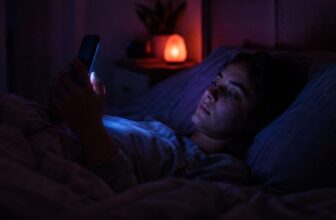
Mostly false. The blue light alone is overrated as a sleep blocker (the dose from a screen across the room is small). The actual problem is content engagement: stimulating shows keep your nervous system active. Boring content can work, but you’d sleep faster without the screen at all.
8. “Older people need less sleep”
The sleep need stays roughly the same into 60s and 70s, but ability to consolidate sleep decreases. Older adults often nap during the day and sleep less at night, but the total need is similar to younger adults. Less sleep in older age is mostly a function rather than a need.
9. “If you can’t sleep, just stay in bed and try”
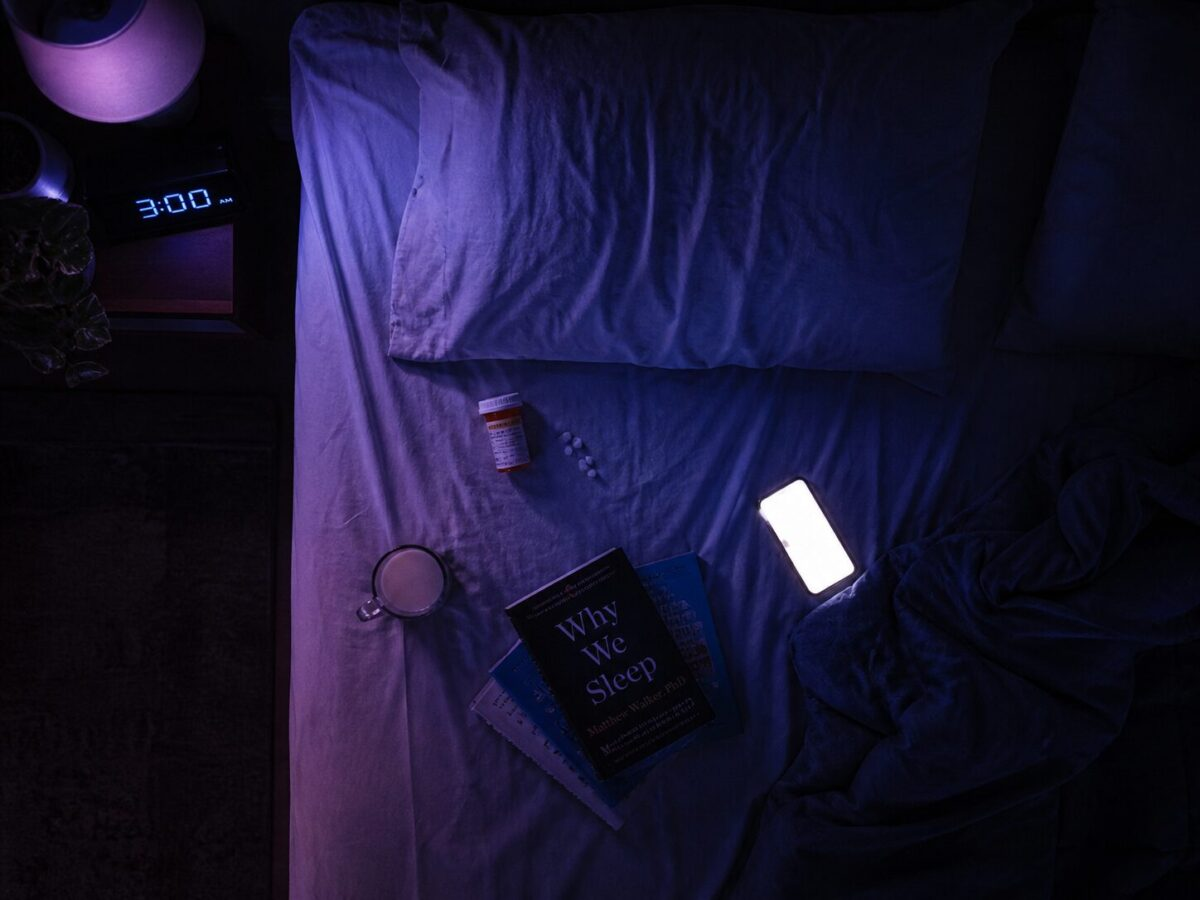
This is the biggest myth. Lying in bed awake teaches your brain that bed is a place for not sleeping. Sleep doctors recommend the opposite: if you’ve been awake for 20+ minutes, get up, do something boring in dim light, and only return when you feel sleepy.
You might also like:
Browse all Sleep Science & Tips >
Disclosure: Some links in this article are affiliate links. We may earn a commission at no extra cost to you.