





Hilo vs Double Wood Apigenin: Best Melatonin-Free Sleep Supplements Compared

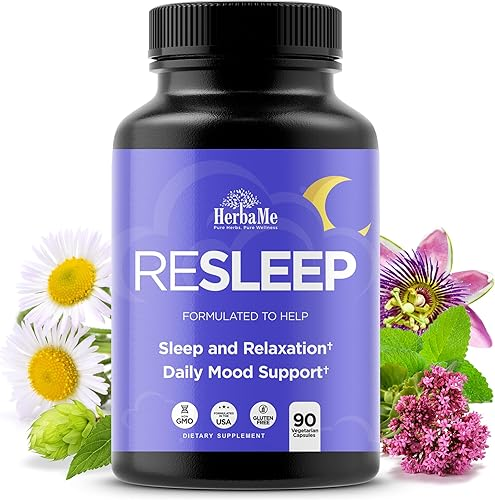
Hilo Sleep Aid
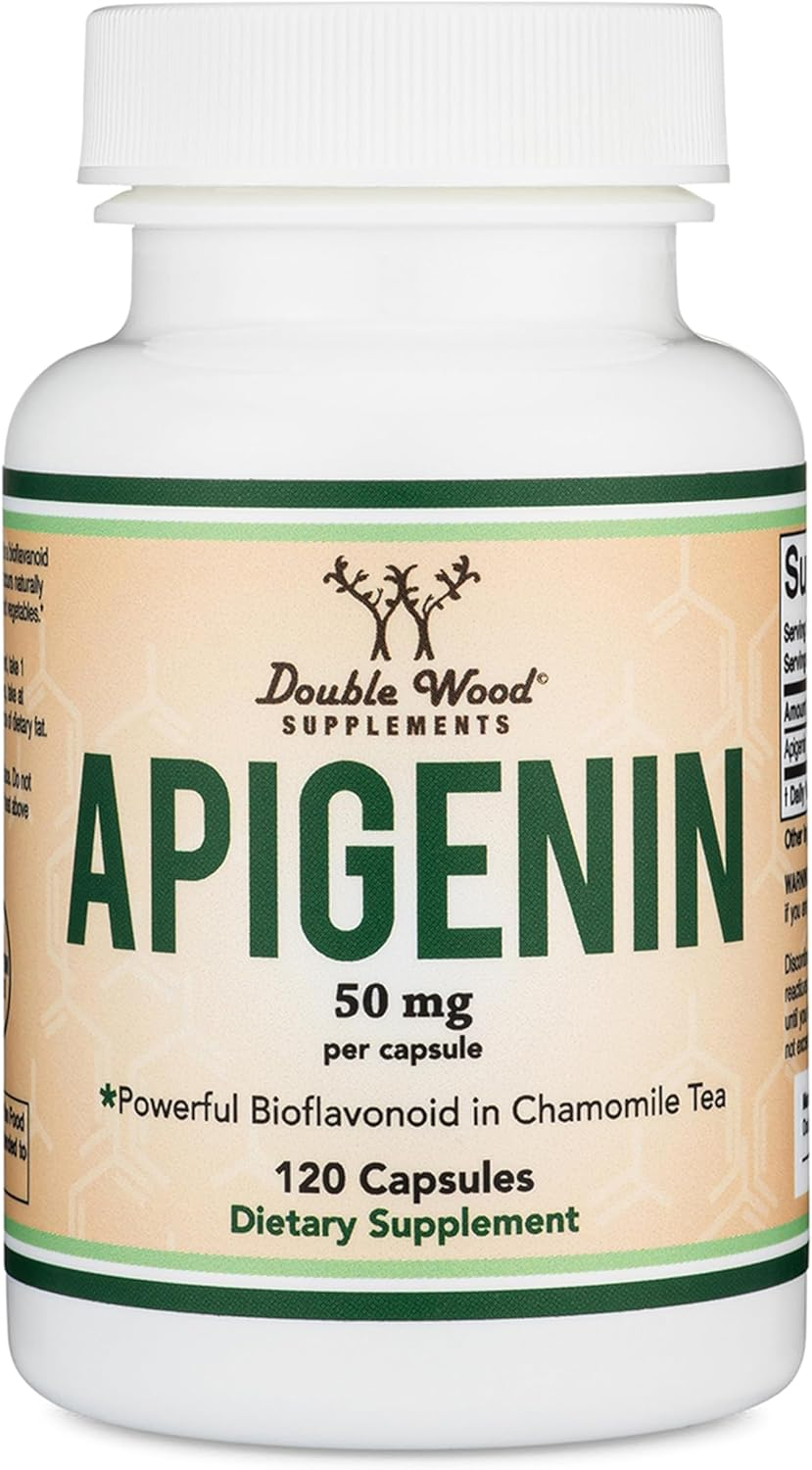
Double Wood Apigenin
Hilo Sleep Aid
Double Wood Apigenin
Not everyone wants to take melatonin every night, and for good reason — long-term melatonin use can suppress your body’s natural production. Hilo and Double Wood Apigenin are two of the most popular melatonin-free sleep aids, but they work through completely different mechanisms. We break down which one is right for you.
The Quick Verdict
Choose Hilo if you want a multi-ingredient formula that targets both sleep onset and sleep quality through several pathways. Choose Double Wood Apigenin if you want a single-ingredient, research-backed compound that’s been popularized by neuroscientist Andrew Huberman and prefer a minimalist approach to supplementation.
How They Work
Hilo uses a blend of magnesium glycinate, L-Theanine, and GABA to promote relaxation through multiple pathways simultaneously. Magnesium supports over 300 enzymatic processes including those involved in neurotransmitter regulation, L-Theanine promotes calming alpha brain waves, and GABA is the brain’s primary inhibitory neurotransmitter. Together, these ingredients create a multi-layered calming effect.
Double Wood Apigenin takes the opposite approach — one ingredient, one mechanism. Apigenin is a flavonoid found naturally in chamomile that binds to benzodiazepine receptors in the brain, producing a mild anxiolytic and sedative effect without the risks associated with actual benzodiazepine drugs. It’s the compound responsible for chamomile tea’s sleep-promoting reputation, delivered in a concentrated dose.
Effectiveness
Hilo produced noticeable relaxation within about 30 minutes in our testing. The combination of ingredients creates a “winding down” feeling that makes it easier to transition from being alert to being sleepy. It felt like the natural tiredness you get after a long day, rather than being drugged into sleep.
Double Wood Apigenin was more subtle — the effects crept in gradually over 45 to 60 minutes. It didn’t produce dramatic drowsiness but rather reduced the mental chatter and anxiety that often prevent sleep. Testers who lie in bed overthinking found apigenin particularly effective. The sleep quality the following morning was consistently good.
Price and Value
Double Wood Apigenin is the budget winner at roughly $15 for a 60-day supply (50mg capsules). Hilo runs around $30 to $40 for a 30-day supply. The per-day cost difference is significant — about $0.25 for apigenin versus over $1 for Hilo. If the single-ingredient approach works for you, apigenin is dramatically more cost-effective.
Our Recommendation
If you want a thorough, “take one thing and be done” approach, Hilo covers multiple bases in one product. If you prefer a targeted, cost-effective, single-compound approach with strong research behind it, Double Wood Apigenin is the smarter buy. Either way, you’re avoiding melatonin dependency — and that’s a win.