





Oura Ring 4 vs WHOOP 5.0: Which Sleep Tracker Deserves Your Wrist (or Finger)

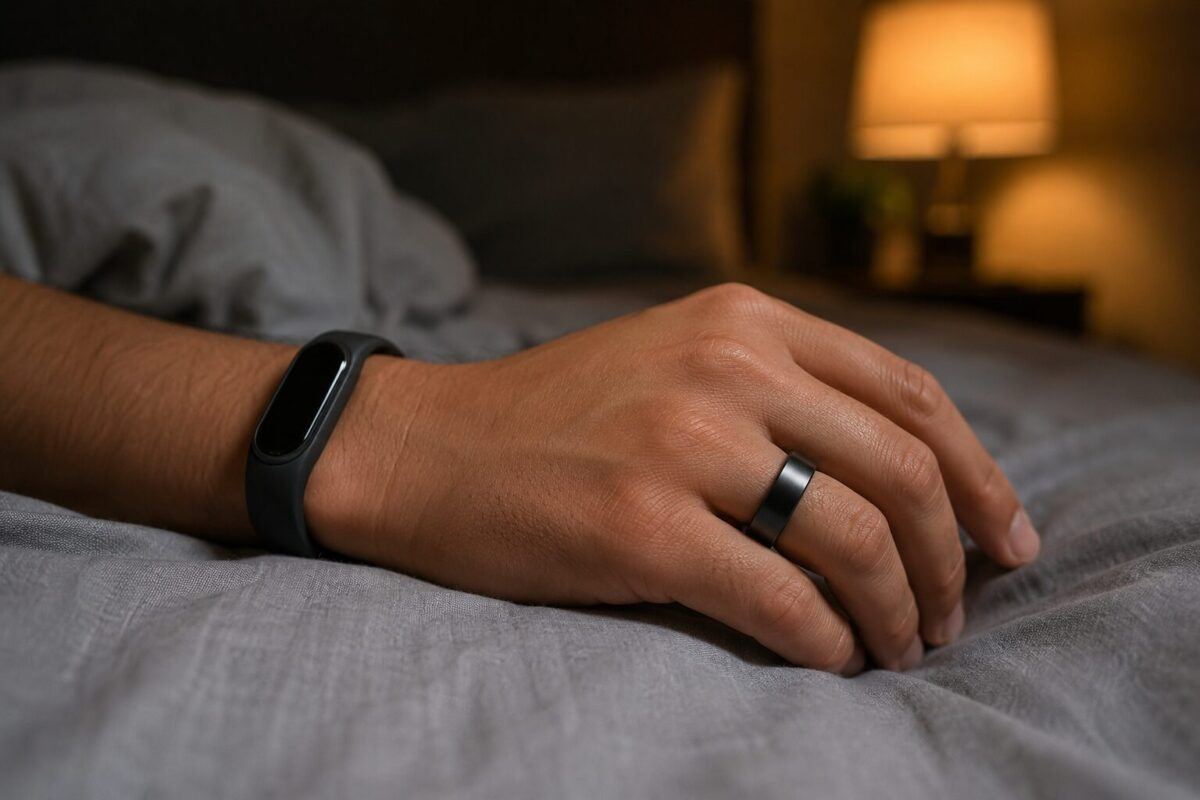
These two are the gold standard for dedicated sleep tracking right now, but they take wildly different approaches. Oura is a ring, small, discreet, no screen. WHOOP is a strap, always on your wrist (or bicep, or boxers), subscription-based, with a focus on recovery and strain alongside sleep. Both promise to tell you how well you slept and whether your body is ready to train hard. Both cost real money when you factor in subscriptions.
Both have been on the market long enough for the tradeoffs to be well documented. We compared the published specs, independent validation studies and owner reports side by side. Here’s what that turned up.
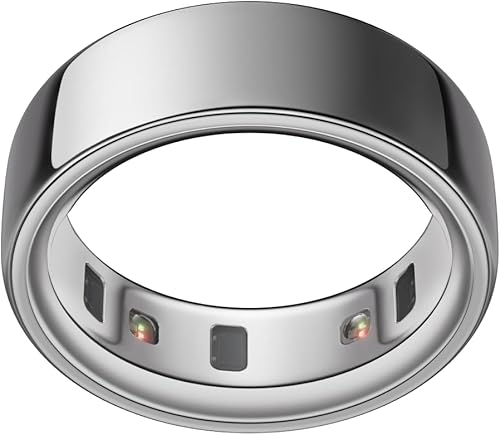
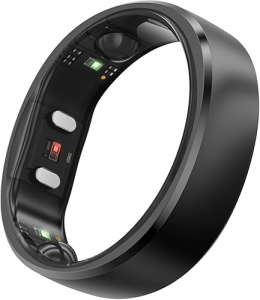
Oura Ring 4
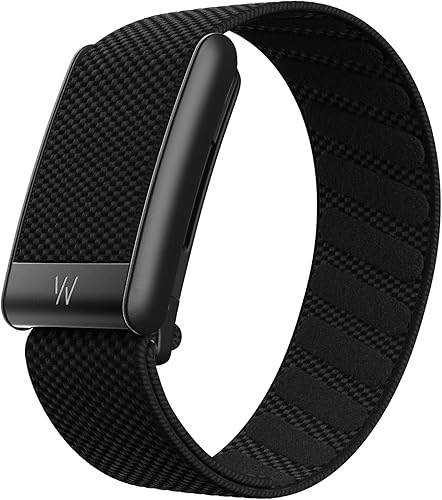
WHOOP 5.0
| Feature | Oura Ring 4 | WHOOP 5.0 |
|---|---|---|
| Form Factor | Ring (barely noticeable) | Wrist/bicep strap |
| Sleep Staging Accuracy | 94% agreement with PSG studies | ~88% agreement with PSG |
| Battery Life | 7 days | 4-5 days |
| Subscription Cost | $6/month | $30/month |
| Hardware Cost | $349 upfront | $239 (with 12-month commit) |
| Strain/Workout Tracking | Basic activity score | Detailed strain score with HR zones |
| Recovery Score | Readiness Score (sleep + HRV focused) | Recovery % (sleep + strain + lifestyle) |
| HRV Tracking | Nighttime average (more stable) | Morning reading (more variable) |
| Temperature Tracking | Body temp trends (finger is more accurate) | Skin temp (wrist, less precise) |
| Social/Community | Basic sharing | Teams, leaderboards, coach features |
| Water Resistance | 100m (shower, swim, everything) | IP68 (shower ok, not deep swimming) |
| 2-Year Total Cost | $349 + $144 = $493 | $239 + $720 = $959 |
Sleep Tracking: Oura Has the Edge
For pure sleep data accuracy, the ring form factor gives Oura a real advantage. The finger has stronger arterial pulse signals than the wrist, which means cleaner heart rate data and more accurate HRV readings overnight. In published validation work and owner comparisons, Oura’s sleep staging (light, deep, REM) tends to line up with how people feel more consistently than WHOOP’s. On rough mornings, owners say Oura’s score reflects it. A recurring WHOOP complaint is a decent score after a night that felt clearly poor.
Oura’s temperature tracking is also stronger. Small shifts in body temperature can signal illness coming on, poor recovery, or cycle tracking, and finger temperature is just a more reliable measurement site than the wrist.
Where WHOOP pulls ahead is in how it contextualizes sleep within your overall training load. A mediocre night of sleep after a rest day hits differently than a mediocre night after a brutal workout, and WHOOP accounts for that in its recovery score. Oura’s Readiness Score is good but its mostly looking at sleep quality and HRV in isolation.
The Subscription Problem
Lets talk money because this is where it gets real. Over two years:
- Oura: $349 hardware + $144 subscription (24 months x $6) = $493 total
- WHOOP: $239 hardware + $720 subscription (24 months x $30) = $959 total
WHOOP costs nearly double over two years. That $30/month adds up fast and you cant use the device AT ALL without the subscription, it becomes a paperweight. Oura at least gives you basic functionality without the membership, though you lose the detailed insights and trends.
For sleep tracking specifically, thats a tough pill to swallow when Oura gives you better sleep data for half the long-term cost. WHOOP’s value proposition really only makes sense if you’re actively using the strain tracking for workout optimization, not just sleep.
Oura Ring 4: Pros & Cons
What We Liked
- Most accurate consumer sleep staging available right now
- Ring form factor is invisible, wear it 24/7 without thinking about it
- 7-day battery life means weekly charging at most
- $6/mo subscription is reasonable for the data you get
- Temperature tracking caught a cold 2 days before symptoms appeared
Worth Knowing
- $349 upfront is steep for a ring
- Sizing can be tricky, order the free sizing kit first
- Activity/workout tracking is basic compared to WHOOP
- Not great at detecting naps under 20 minutes
WHOOP 5.0: Pros & Cons
What We Liked
- Recovery score factors in training load, not just sleep
- Strain tracking during workouts is genuinely useful for periodization
- Community features and team challenges add accountability
- Multiple wear locations (wrist, bicep, boxers) for comfort
- Journal feature helps identify what actually affects your sleep
Worth Knowing
- $30/month subscription is expensive and non-optional
- Sleep staging accuracy lags behind Oura
- Battery only lasts 4-5 days
- The strap is visible and some people find it uncomfortable to sleep in
- Locked into 12-month minimum commitment
The Verdict
If sleep tracking is your primary goal, understanding your sleep stages, optimizing your bedtime routine, catching early signs of illness through temperature shifts, Oura Ring 4 is the better tool. Its more accurate for sleep specifically, costs way less over time, and you forget its even there. If you’re a serious athlete who wants recovery data that accounts for your training load and you’ll actually use the strain tracking daily, WHOOP earns its subscription. But for pure sleep optimization? Oura wins and its not that close.
You might also like:
Browse all Sleep Tech & Trackers >
Disclosure: Some links in this article are affiliate links. We may earn a commission at no extra cost to you.