


Sleep Tracking 101: A Beginner’s Guide to Wearables and Apps

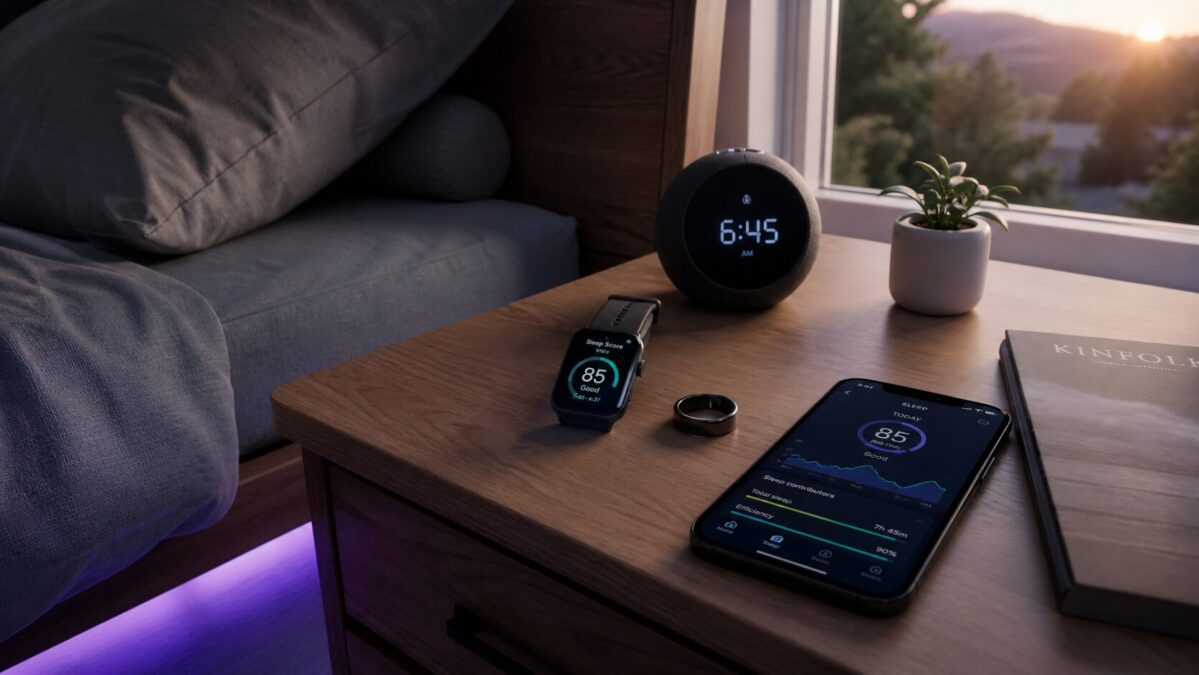
Sleep tracking went from a fitness-watch novelty to its own product category in about three years. There are now five different ways to track sleep, each with its own tradeoffs. Here’s how to figure out which actually fits your life and why.
The 5 main sleep tracking options
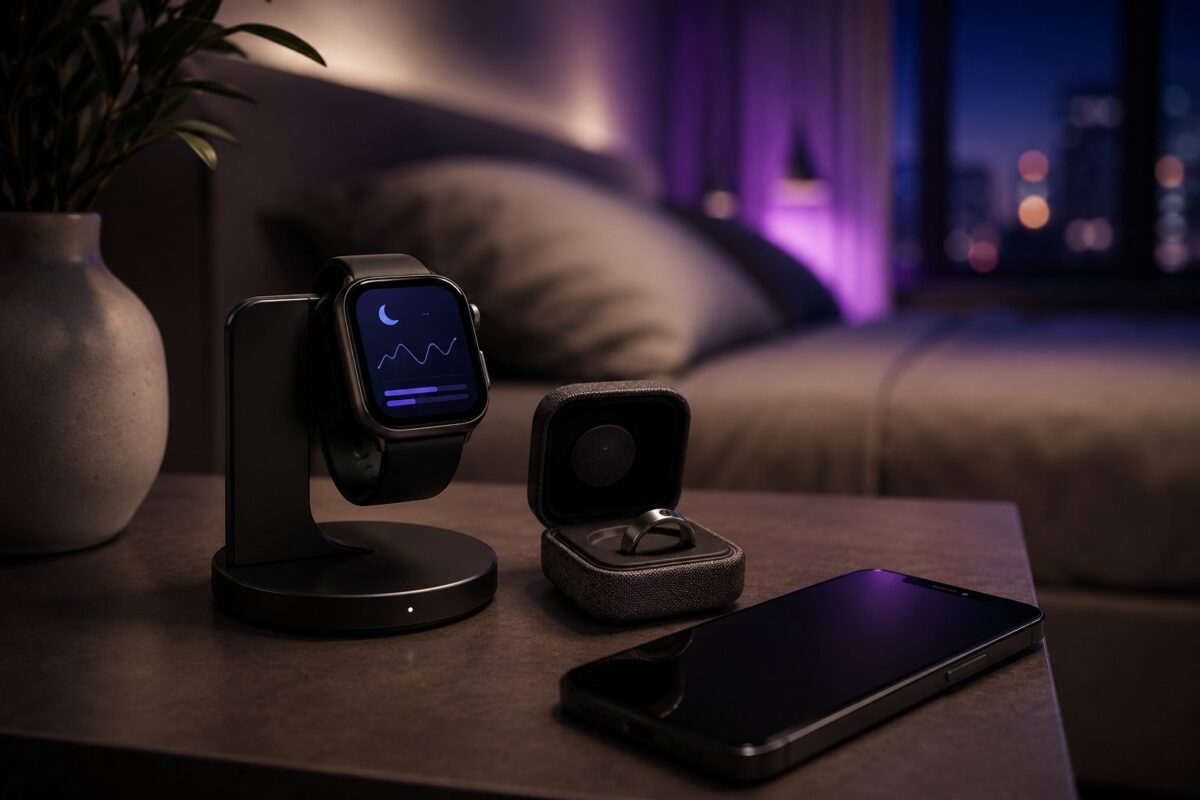
1. Smartwatch (Apple Watch, Garmin, Fitbit)
How it works: Heart rate variability + motion sensors during sleep.
Best for: People who already wear a watch and want sleep as one feature among many.
Limits: Wearing something on your wrist all night isn’t comfortable for everyone. Not great at distinguishing sleep stages on the cheaper models.
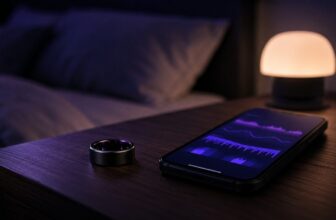
2. Smart ring (Oura, Ultrahuman)
How it works: Same biometrics as a watch, packaged into a ring.
Best for: People who hate wearing watches at night but want the data.
Limits: $300+ entry, plus most have subscriptions ($6-12/month) for the deeper insights.
3. Mattress sensor (Withings Sleep, Eight Sleep)
How it works: A pad under your mattress senses motion and heart rate.
Best for: People who don’t want to wear anything to bed.
Limits: Less accurate than wrist-based tracking on heart rate variability. Eight Sleep is great but $2,000+.
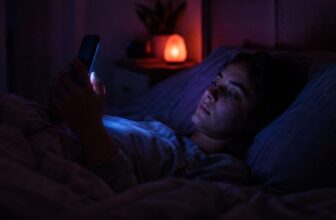
4. Phone-based (Sleep Cycle app, AutoSleep)
How it works: Phone microphone listens for movement and breathing patterns.
Best for: Trying out sleep tracking before committing to hardware.
Limits: Accuracy varies wildly. Don’t expect deep-sleep stage data.
5. Medical-grade home study (WatchPAT, Sleepiq Pro)
How it works: Multi-sensor at-home sleep study, often prescribed for diagnosing sleep apnea.
Best for: Anyone with suspected sleep disorders. Not for everyday tracking.
Limits: Usually requires a prescription, costs $300+ unless covered by insurance.
What you can actually learn
- Total sleep time. All trackers do this well.
- Sleep onset (how long it takes you to fall asleep). Most are accurate within 5 minutes.
- Wake events. Helpful for identifying middle-of-the-night patterns.
- Sleep stage estimation. Less accurate than people assume. Even the best consumer trackers are 60 to 80 percent accurate compared to a clinical sleep lab.
- Heart rate trends. Useful for spotting overtraining, illness, or stress patterns.
What you probably can’t learn
- Whether you have sleep apnea (consumer trackers can hint at it but cannot diagnose).
- Whether you’re getting enough deep sleep specifically (the staging accuracy isn’t there yet).
- The cause of poor sleep (correlations show up, causation does not).
The honest expectation
A sleep tracker is best at giving you trends. “I slept 6.5 hours on average this month” is more useful than “I had 1 hour 23 minutes of REM last night.” The trend lines are where the value lives. The science of sleep stages goes deeper into what those numbers actually mean.
Getting started
Try a free phone app for 2 weeks before spending money. If you actually look at the data and find it helpful, upgrade to a watch or ring. If you don’t open the app after week 1, save the cash.
The Withings ScanWatch 2 trick
If you want clinical-grade sleep apnea screening on a normal-looking watch, the ScanWatch 2 has FDA-cleared apnea detection and 30-day battery. Best of both worlds for people who hate charging things.
You might also like:
Browse all Sleep Tech & Trackers >
Disclosure: Some links in this article are affiliate links. We may earn a commission at no extra cost to you.