Flying home from Europe costs most people about a week of bad sleep. Your body clock shifts roughly an hour a day on its own, so a six hour time difference means six rough nights unless you push the process along. The gear below actually pushes, some of it with decent science behind it.
Method note first: we haven’t flown these across an ocean ourselves. This list comes from the published research on circadian shifting, manufacturer specs checked against live listings, and what frequent flyers keep saying in owner reviews. Depth over anecdotes.
Disclosure: Some links in this article are affiliate links. We may earn a commission at no extra cost to you.
1
Luminette 3 Light Therapy Glasses
Bright light, but you can make coffee while wearing it
8.8 (our score)
Morning light is the strongest lever you have for dragging your body clock to a new time zone, and thats not marketing, its the core finding of decades of circadian research. The Luminette sits on your face like glasses and shines light in from above your line of sight, so you can eat breakfast or answer email during the session instead of sitting in front of a lamp. Frequent flyers in owner reviews use it on the plane before landing to start the shift early. It costs real money though, and if your trips are rare, morning sunlight is free.
2
Manta Sleep Mask
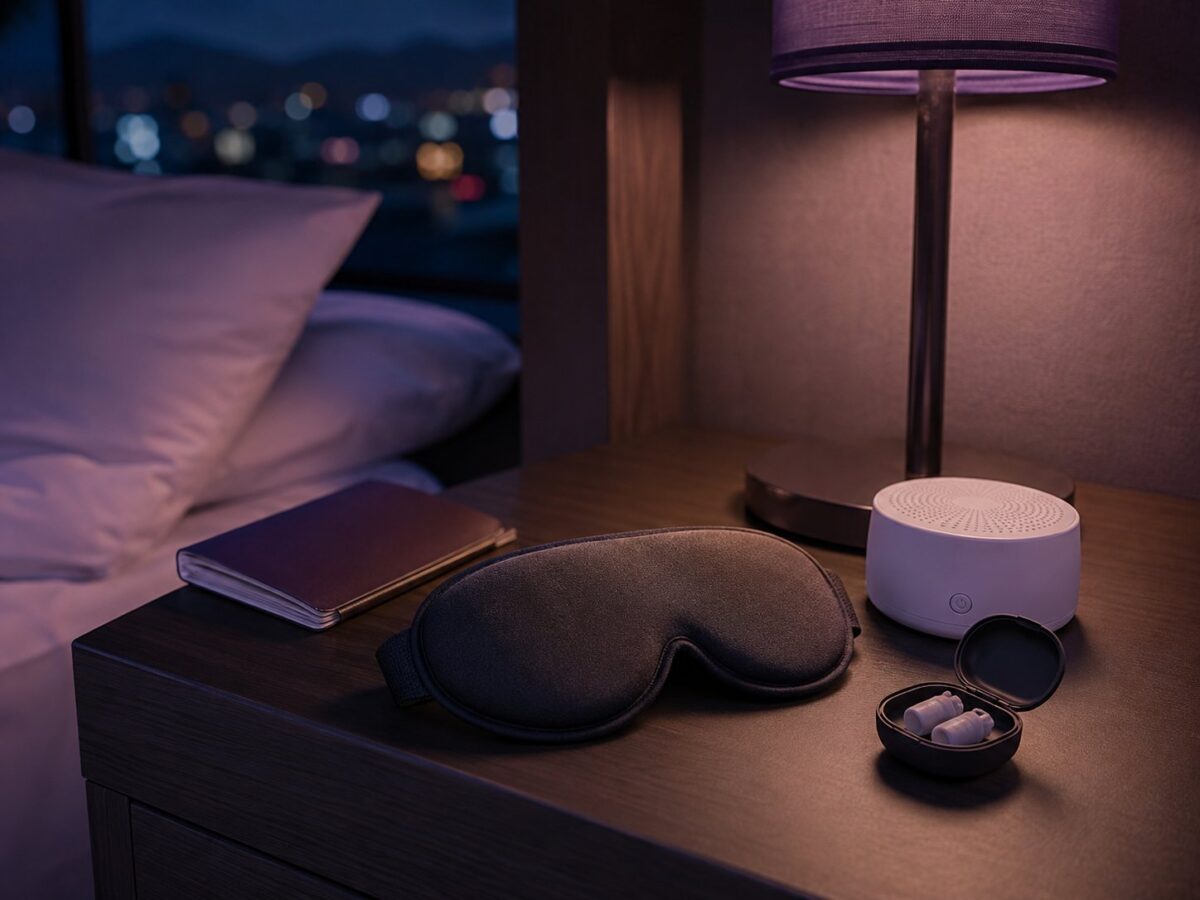
Actual blackout, even mid flight
8.7 (our score)
Light at the wrong time is what keeps your clock stuck, and airplane cabins and hotel rooms leak light everywhere. The Manta uses molded eye cups that sit around your eyes instead of pressing on them, so you can blink with it on. Owners with lash extensions swear by that detail. The cups also adjust position for different face shapes, which is why it beats the free airline mask by a mile. We compared masks against blackout curtains in our
light blocking breakdown if you want the longer version.
3
Loop Quiet 2 Earplugs
For hotel hallways and 6am street noise
8.6 (our score)
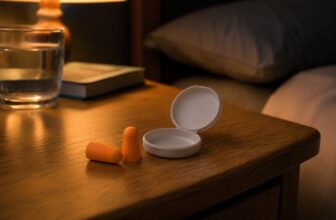
Jet lagged sleep is fragile sleep. A door slamming at 2am hits different when your body thinks its 8pm. The Loop Quiet 2 is reusable silicone, comes with four ear tip sizes, and cuts noise by up to 24 decibels according to the spec sheet. Its also low profile enough for side sleeping, which is the failure point of cheap foam plugs. More options sorted by sleep style in our
earplugs roundup.
4
Yogasleep Rohm Portable White Noise Machine
Consistent sound in inconsistent rooms
8.4 (our score)
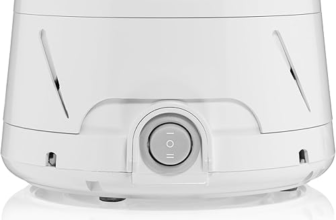
Every hotel sounds different, and unfamiliar noise is part of why the first night anywhere is rough. The Rohm is a puck sized machine with three sound options that recharges over USB and runs all night on a charge. Owners like that it masks hallway chatter without needing an app or wifi. Its not going to shift your body clock, it just protects whatever sleep you do get, which matters plenty during the adjustment week.
5
Low Dose Melatonin
The cheapest fix, if you time it right
8.3 (our score)
Jet lag is the one use case where melatonin has solid research behind it, taken close to your destination bedtime for the first few nights. Lower doses in the 0.5 to 3mg range are what most of the studies actually used, not the 10mg gummies the supplement aisle pushes. A basic 3mg tablet from a brand with third party testing costs almost nothing. If supplements for sleep interest you beyond travel, our
magnesium guide covers the nightly side of things.
The part gear can’t do
None of this replaces the boring fundamentals: get sunlight at the right time, eat meals on the new schedule, and resist the 4pm hotel room nap even though it feels like the best idea you’ve ever had. Light in the morning at your destination shifts you forward, light late at night shifts you backward. Get that wrong and the fancy glasses work against you.
Packing for the flight itself is a separate problem, our travel sleep gear roundup covers neck pillows and plane specific picks.
Browse all Sleep Environment picks >
As an Amazon Associate, we earn from qualifying purchases.