






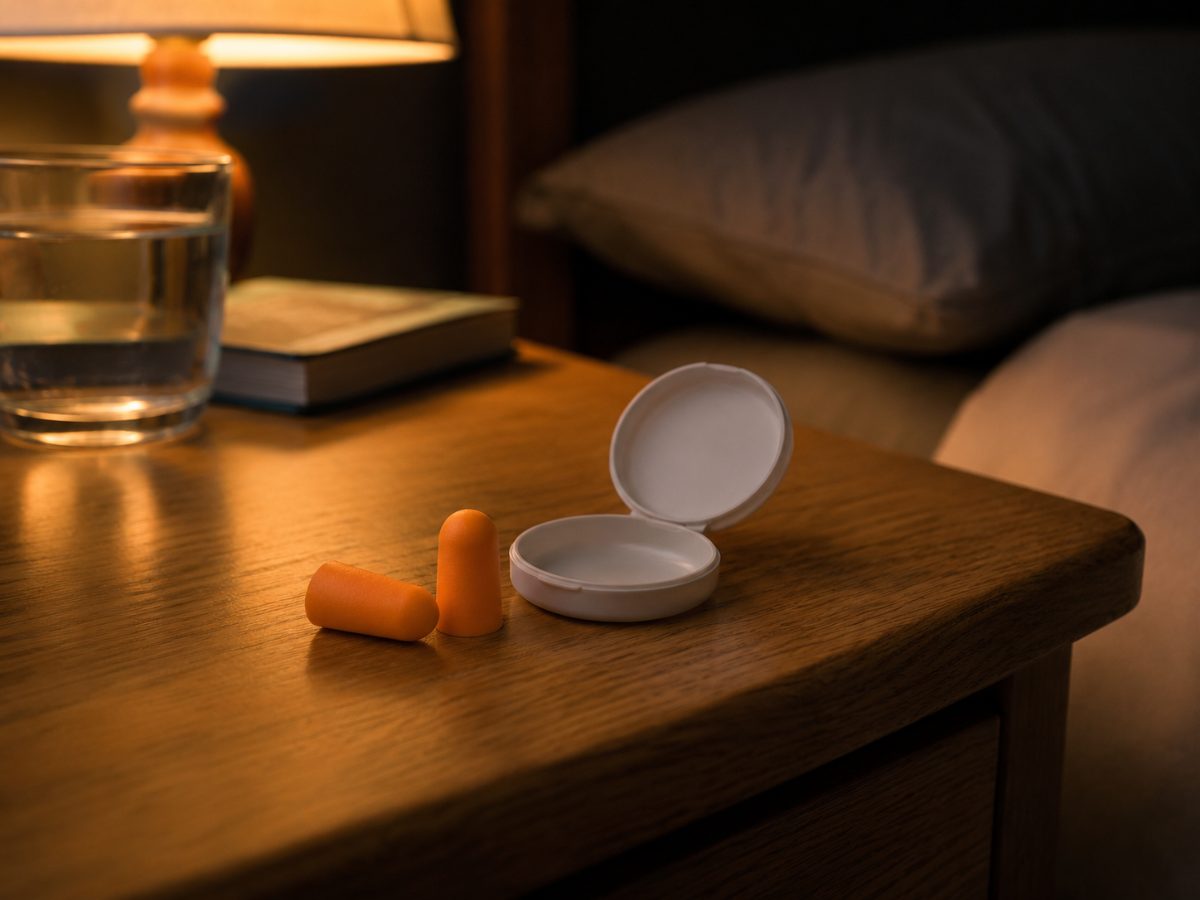
Earplugs look like the simplest product in the sleep aisle, a two dollar bit of foam, what could go wrong. Then you buy a pair that aches in your ear canal by 2am, or blocks so little of your partner’s snoring that you’re back to the couch. The differences between foam, silicone, and filtered plugs are real, and picking by material first is how you land the right pair on the first try.
This guide covers how the noise ratings actually work, which type fits which sleeper, and the hygiene piece nobody reads until their ears itch. If you’d rather skip to product picks, our earplug roundup sorted by sleep style does exactly that.
The NRR number, decoded
Every pair sold in the US carries a Noise Reduction Rating. Foam usually tops the chart, the common deep sleep foam plugs rate around 32 or 33 decibels of reduction. Silicone putty and flanged designs typically land lower, somewhere in the 20s.
Here’s the part the packaging skips: that number comes from a lab, with the plug inserted perfectly by a technician. A half asleep human rolling over at 3am does not achieve lab insertion. Real world reduction runs meaningfully below the printed rating, which is why hearing safety programs derate the NRR before trusting it. The practical read: treat the NRR as a ranking tool between products, not a promise, and assume a properly inserted foam plug still quiets a room more than almost anything else.
One more thing, more blocking is not automatically better. Total silence unnerves some people, and a plug that kills every last decibel also kills the smoke alarm question, more on that below.
Foam, silicone, or filtered: pick by sleeper
Cheap foam plugs block the most sound per dollar and nothing else comes close on raw numbers. Roll, insert, let them expand. The downsides are comfort and lifespan, the expansion pressure bothers some ear canals, and foam is basically disposable, a pair lasts a few nights before it stops rebounding and starts collecting grime.
Silicone putty works differently, it seals over the canal opening instead of expanding inside it. That flush, no pressure fit is why putty is the default answer for side sleepers whose foam plugs get shoved deeper by the pillow. Moldable wax does the same job with a warmer seal and a little more mess in summer.
Filtered plugs, the Loop style silicone flanges, are the reusable middle path. They lower volume fairly evenly instead of smothering it, so voices stay recognizable, just quieter. Snorers at full volume can overpower them, but for city noise, a humming HVAC, or a partner who snores lightly, they’re comfortable enough to forget and they wash clean. We cover the most popular one in detail in our Loop Quiet 2 review.
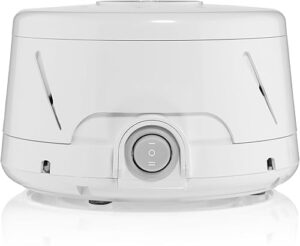
If the noise you’re fighting is a serious snorer, plugs alone might not finish the job, layering helps. Our snoring partner roundup covers the full defense stack, and a white noise machine underneath the plugs masks whatever leaks through.
Side sleepers get their own paragraph
Most earplug complaints trace back to one thing, pressure between pillow and ear. Foam that sticks out past the canal turns into a lever every time you roll over. What works: low profile putty or wax that sits flush, short stemmed filtered plugs with soft flanges, or trimming expectations and going one size down in foam. If you’ve already tried two or three plug types and your ears still complain by morning, flat sleep headphones solve the pressure problem a completely different way, we wrote a separate guide for those.
The hygiene part nobody reads
Foam is disposable on purpose. Once a pair stops springing back slowly, or looks anything other than clean, it’s done, for most people thats every three to seven nights. Pushing a month out of one foam pair is how ear canals get irritated. Reusable silicone and filtered plugs want a quick wash with soap and warm water every few days, and a full dry before they go back in. And a note your ears will thank us for: plugs worn every night can push ear wax deeper over time. If your ears start feeling blocked with nothing in them, thats wax buildup, a doctor clears it in minutes and no, a cotton swab does not.
Will I still hear my alarm?
The question everyone asks first. Almost always yes, plugs cut volume, they don’t erase it, and an alarm ten inches from your head starts around the same loudness as a lawn mower. What plugs reliably kill are the quiet alerts, a phone buzzing on nightstand fabric, a knock, a first floor smoke alarm through two closed doors. The fix is boring but works, run the alarm at full volume the first night, and anyone relying on hearing a distant alarm should think about a bed shaker pad instead of maxing out earplug block.
The 60 second checklist
Buying without reading any of the above? Fine. Side or combo sleeper, get putty, wax, or low profile filtered, nothing that sticks out. Back sleeper with a loud room, get foam rated 32 or higher and accept the replacement schedule. Light snorer or city noise, filtered reusables earn their price inside two months versus disposables. Sharing the bed with a serious snorer, foam plus white noise underneath, and read the couples roundup while you’re at it. Itchy or sensitive ears, silicone over foam, wash it like you mean it.